Jealousy is often thought of as a human emotion, tied to relationships and social bonds. But many dog owners notice their pets displaying jealous-like behaviours, especially when attention is given to someone or something else.
Dogs may nudge their way in between people, push against a rival pet, or sulk in the corner when they feel left out. But is this truly jealousy, or just a natural reaction? Science suggests that dogs can experience a form of jealousy, but it may be different from how humans feel it.
This guide explores what jealousy in dogs looks like, why it happens, and how to manage it in a way that keeps your dog happy and secure.
Do Dogs Really Feel Jealous?

When we talk about jealousy, we typically mean resentment or insecurity caused by the fear of losing attention or affection. In dogs, this often appears as:
- Pushing between you and another person or pet
- Barking or whining for attention
- Nudging, pawing, or jumping up to intervene
- Growling or snapping at a rival pet
- Sulking or withdrawing from interactions
- Destructive behaviour when ignored
While these behaviours may look intimidating, they often stem from anxiety rather than an intention to cause harm. Identifying reactivity early is key to managing it effectively.

Quick Fact
A study found that dogs react more strongly when their owners show attention to another dog compared to an object. This suggests they do experience a type of jealousy, particularly in social situations.
Why Do Dogs Get Jealous?

Dogs are social animals that thrive on routine, companionship, and stability. When they sense a change in their social standing, jealousy-like behaviours can emerge. Here are some common triggers:
1. Attention Shifts
Dogs who are used to being the centre of attention may struggle when a new pet, baby, or partner enters the household.
2. Resource Guarding
Some dogs become possessive over food, toys, or even people. This is more common in breeds that have been bred for guarding instincts.
3. Lack of Socialisation
Dogs that haven’t been properly socialised may struggle with sharing attention and interacting calmly in new situations.
4. Past Experiences
Rescue dogs or those from multi-pet households may have a history of competing for resources, making them more prone to jealousy.
Quick Fact
Dogs rely heavily on body language and scent to assess relationships. If they sense an unfamiliar or competing presence, they may react instinctively.
How to Manage Jealous Behaviour in Dogs
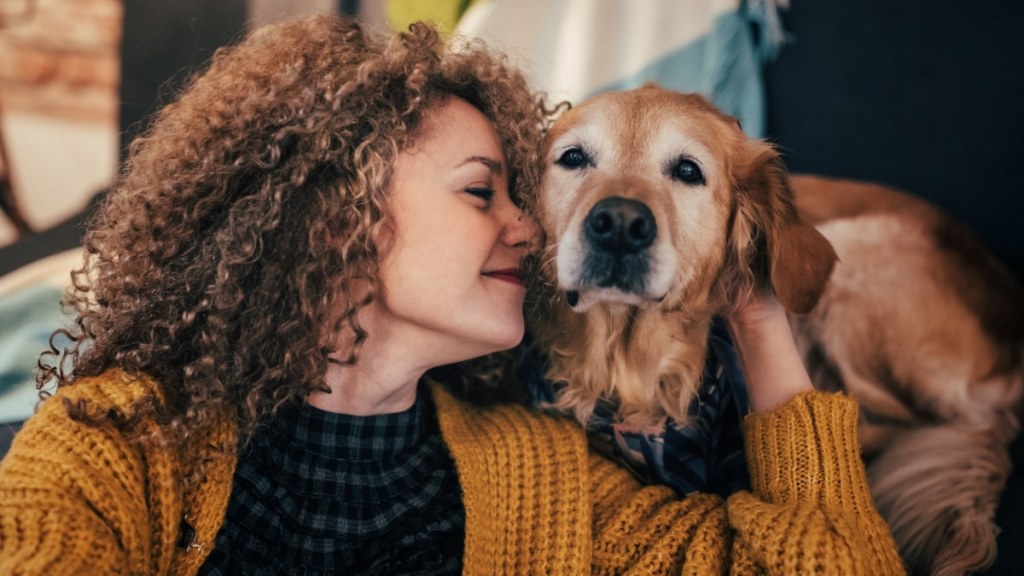
Jealousy in dogs can be managed through training, structure, and reassurance. Here’s how you can help your dog feel secure:
1. Reinforce Positive Behaviour
- Reward your dog for calm, non-jealous behaviour.
- If they remain relaxed while you give attention to someone else, offer a treat or praise.
2. Establish Clear Boundaries
- Teach commands like “stay”, “wait”, or “go to your bed” to help your dog feel in control.
- Avoid reinforcing demanding behaviours (e.g. giving in to whining or pawing for attention).
3. Give Equal Attention
- If you have multiple pets, ensure each one receives one-on-one time with you.
- Use separate play sessions, walks, and cuddle time to reduce rivalry.
4. Gradually Introduce New People or Pets
- If bringing home a new baby, partner, or pet, allow your dog to adjust gradually.
- Let them observe interactions from a safe distance and reward calm behaviour.
5. Provide Mental and Physical Stimulation
- Jealousy can sometimes stem from boredom or excess energy.
- Daily walks, interactive toys, and training exercises help prevent attention-seeking behaviour.
Quick Tip
If your dog struggles with jealousy around food or toys, try supervised feeding times and structured play to avoid competition.
What NOT to Do
When to Seek Professional Help

If your dog’s jealous behaviour becomes aggressive or disrupts daily life, consider working with a qualified behaviourist. They can assess the root cause and create a personalised training plan.
- Mild jealousy – Can often be resolved with training and routine adjustments.
- Severe jealousy – May require expert guidance, especially if aggression is involved.
Final Thoughts
Dogs may not experience jealousy exactly as humans do, but they do react emotionally when their relationships feel disrupted. Understanding their needs, reinforcing positive behaviour, and maintaining a balanced routine can help your dog feel safe and secure.
🐾 Have you noticed jealous behaviour in your dog? Share your experiences in the comments!