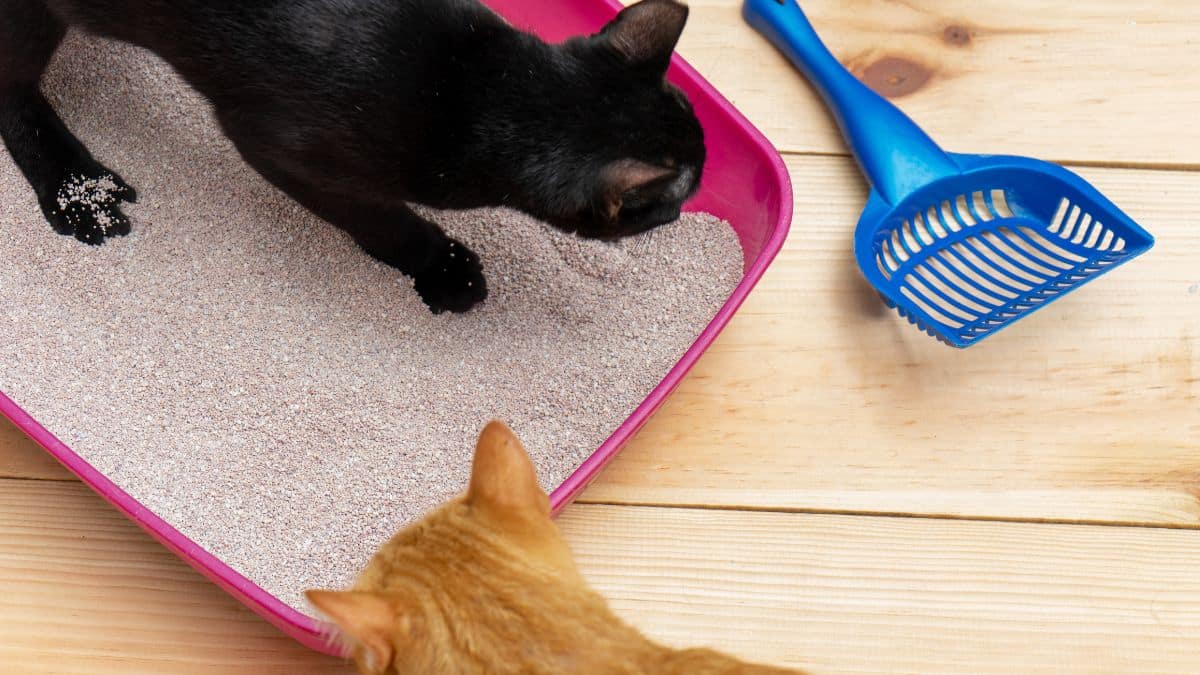
Got more than one cat but only one litter tray? You’re not alone — and it might seem like your cats are coping just fine. But behind the scenes, shared toilet space can trigger silent stress, behavioural issues, and even health problems.
So, do cats mind sharing a litter tray? In most cases — yes, they absolutely do. And the solution could be simpler than you think.
In this guide, we’ll cover everything you need to know about litter box sharing: why it matters, what to watch for, and how to create the purrfect setup for multi-cat harmony.
Do Cats Really Mind Sharing a Litter Tray?

Yes — most cats do mind sharing. While some cats may tolerate using the same tray, experts widely agree: one tray per cat, plus one extra is the gold standard.
Why? Because sharing litter boxes can lead to:
Cats are clean, private creatures. What looks like cooperation on the surface might actually be quiet discomfort — and the sooner you spot it, the sooner you can fix it.
Why Cats Prefer Their Own Loo
Litter trays aren’t just for toileting — they’re territory, comfort, and a huge part of a cat’s routine. Even in bonded pairs, competition can creep in. One cat may guard the tray, block access, or simply intimidate the other without any drama you can see.
Here’s why most cats prefer to go solo:
- They feel vulnerable while toileting
- They use waste to mark territory
- Smells or mess from another cat can cause avoidance
- Sharing can trigger guarding, spraying, or conflict

Quick Tip
Even if your cats aren’t physically fighting, that doesn’t mean they’re happy to share. Cats are subtle — and stress often goes unnoticed.
Subtle Signs Your Cat Isn’t Happy Sharing
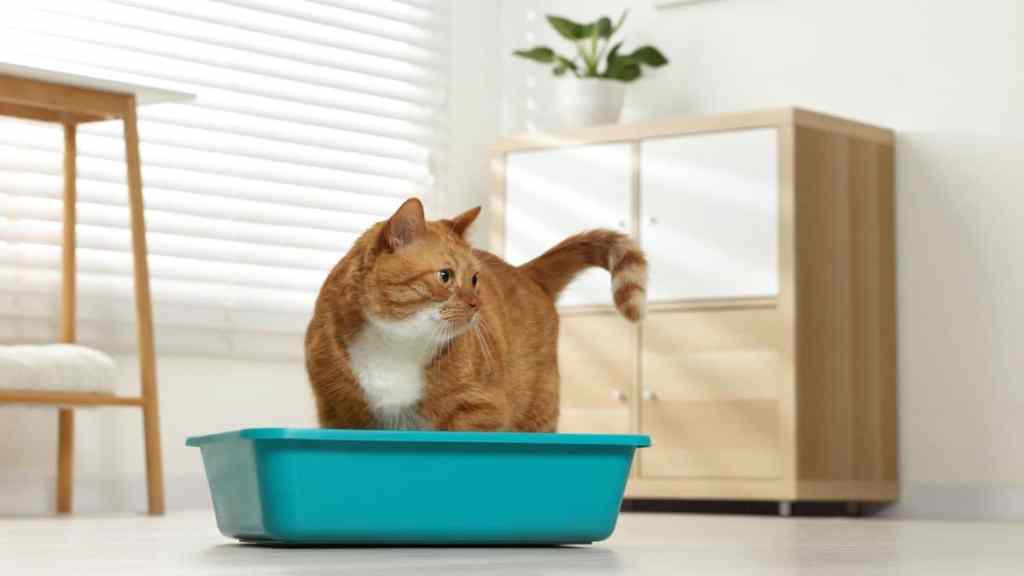
Not all litter tray issues are obvious. In fact, most signs of discomfort are quiet, easy to miss, and often mistaken for something else.
Here’s what to look for:
- One cat hovering near or guarding the tray
- Toileting outside the box — especially on soft surfaces like rugs or beds
- Tension or squabbles near the litter area
- One cat consistently using the tray more than the other
- Sudden medical issues like cystitis or urinary infections
Quick Tip
If toileting habits change suddenly, always rule out a medical cause with your vet first. If they get the all-clear, reassess your litter setup — shared trays are a common culprit.
How Many Litter Trays Do You Actually Need?

When it comes to litter trays, one is rarely enough — even if you only have one cat. The standard recommendation from UK vets and feline behaviourists is simple but powerful:
One litter tray per cat, plus one extra.
So if you’ve got:
- 1 cat = 2 trays
- 2 cats = 3 trays
- 3 cats = 4 trays
And so on.
This isn’t just an over-cautious rule — it’s grounded in feline psychology. Cats are territorial, private creatures. Giving them options reduces the risk of conflict, anxiety, and “accidents” around the house. In multi-cat households, this becomes even more important. Even if your cats appear to get along, sharing a single tray can lead to silent stress that manifests in subtle (or messy) ways later on.
💡 Why the ‘plus one’?
It ensures there’s always a backup — especially helpful if one tray becomes dirty, blocked, or avoided due to location or scent.
Still, having the right number of trays is only half the story…
Where to Place Litter Trays for Maximum Harmony
Think of your cat’s litter tray like their personal bathroom. Would you want to queue up, get stared at, or use the loo next to your dinner plate? Probably not — and your cat doesn’t either.
To make your setup cat-friendly:
🚫 Common mistake
Lining up multiple trays in a row in the same room. From a human perspective, this looks like multiple options. From a cat’s perspective? It’s one single high-traffic zone with zero privacy.
Proper placement not only prevents stress and guarding behaviours, but can also make toilet training easier for kittens or rescue cats.
Can Bonded Cats Share a Litter Tray?
It’s a common assumption: “They’re best friends — they share everything!” But when it comes to litter trays, even the closest cat companions can run into issues.
While some bonded cats may tolerate sharing a tray, especially when young or recently adopted together, that tolerance often fades over time — particularly during periods of stress or change. Why? Because even affectionate cats still value privacy, territory, and autonomy when it comes to toileting.
🧠 Key insight
Cats communicate through scent — and their urine and faeces carry messages. Sharing a tray can blur these lines, causing confusion, tension, or even resource guarding behaviours.
Shared trays can work if:
- You’re scooping very frequently (at least twice daily)
- The cats have free, stress-free access at all times
- There’s genuinely no competition or conflict around toileting
🚨 But even if things seem okay, sharing can backfire later. It only takes one spooked moment near the tray to trigger avoidance behaviours — which can lead to toileting elsewhere, UTIs, or litter box aversion.
Quick Tip
Always offer more than one tray, even for bonded cats. It’s not about forcing separation — it’s about giving them choice.
What About Kittens or Senior Cats?
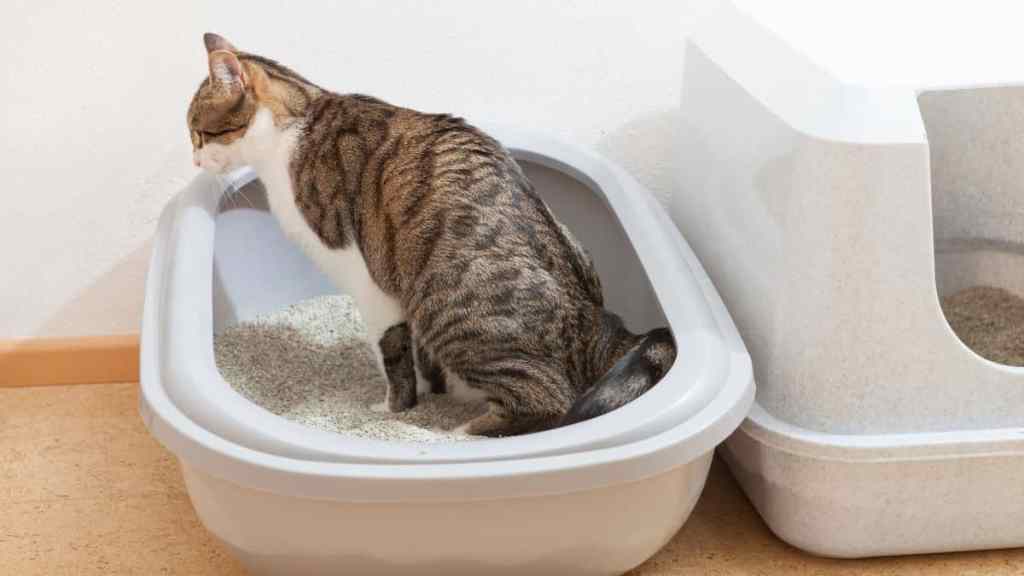
Age plays a major role in litter tray dynamics. Kittens and senior cats have different needs — and those needs can evolve quickly.
Kittens:
- May initially share trays with their littermates
- Often tolerate shared toileting while very young
- Will need individual trays as they mature and establish territory
- Can benefit from shallow trays that are easy to access
As kittens grow, so does their need for independence and privacy. Introducing multiple trays early on prevents future issues and encourages good litter habits.
Senior Cats:
- Often struggle with mobility, arthritis, or cognitive changes
- May need trays on each floor of the house
- Prefer uncovered trays that are easy to enter and exit
- Might require extra hygiene if they’re not grooming properly
Older cats may also become more sensitive to changes in smell or texture. If a younger cat dominates the tray or soils it quickly, a senior cat may simply stop using it — quietly suffering in silence.
Quick Tip
For older cats, consider a high-sided tray with a low front entrance — easy access, with minimal mess.
Litter Tray Hygiene: Cleanliness Matters More Than You Think

It doesn’t matter how many trays you have if they’re not clean — cats are famously fussy about their toilets. A dirty litter tray is one of the fastest ways to trigger stress, avoidance, or inappropriate toileting elsewhere.
Here’s how to keep trays cat-approved:
🧽 Daily:
- Scoop solid waste at least twice a day
- Remove soiled clumps (if using clumping litter)
🧼 Weekly:
- Fully empty and wash trays with warm water and mild, unscented soap
- Avoid bleach or strong scents — cats have ultra-sensitive noses
🌿 Litter tips:
- Use unscented clumping litter where possible — it’s softer on paws and easier to keep clean
- Avoid overpowering deodorants or “fresh” scented litters
- Stick with one litter type if your cat is used to it — sudden changes can cause rejection
A clean tray doesn’t just reduce mess — it prevents health issues like urinary tract infections, bladder inflammation, and even behavioural regression.
Quick Tip
If your home doesn’t smell like litter, you’re probably doing it right. It should be neutral, not perfumed or pungent.
If Cats Must Share: How to Make It Work
Ideally, every cat should have their own litter tray (plus one extra), but real life doesn’t always follow ideal conditions. Whether you’re working with limited space, budget constraints, or a temporary setup — here’s how to reduce the risk of litter-related drama if your cats have to share.
🛠️ 1. Choose a Large, Open Tray
Go for a roomy, uncovered tray with low sides and a wide surface area. This gives cats space to move without feeling confined or ambushed. Hooded trays can trap odours and make some cats feel vulnerable — especially in shared situations.
🧼 2. Scoop More Frequently
Shared trays fill up quickly, and cats notice. Scoop at least 2–3 times a day. If one cat tends to go more than the other, increase cleaning frequency accordingly — some cats will stop using a tray if it smells like someone else.
🏠 3. Offer Alternative Toileting Spots
Even a temporary second tray (like a storage box with litter) can provide much-needed relief. Place it in a different room or on a separate floor to prevent traffic jams and guarding behaviour.
👀 4. Watch for Guarding or Bullying
Monitor closely for subtle signs of litter box resource guarding, such as:
- One cat blocking access or sitting near the tray
- Hesitation or detours before toileting
- Scratching elsewhere but not eliminating If you notice these behaviours, separate trays are a must.
📏 5. Match the Tray to the Cat
For large cats (like Maine Coons), choose a tray that fits their frame. For senior or disabled cats, opt for low-entry designs. One size never fits all — and a mismatched tray is a common reason cats refuse to use it.
Quick Tip
You can even DIY extra trays using shallow plastic storage containers in a pinch — they’re cheap, easy to clean, and often more spacious than store-bought trays.
Mini Recap: The Litter Box Peace Plan
Final Thoughts
Cats might share your bed, your sofa, and your snacks — but when it comes to litter trays, they draw the line.
Toileting is one of the most private, territorial, and vulnerable behaviours in a cat’s world. When litter trays are shared (or neglected), it creates a quiet kind of stress that can show up in unexpected ways: aggression, house-soiling, health flare-ups, or anxiety.
By providing multiple clean, well-placed trays, you’re not just avoiding mess — you’re supporting your cats’ wellbeing, their relationships with each other, and the peaceful vibe of your home.
It’s a small change. But for your cats, it’s a huge deal. 🐾