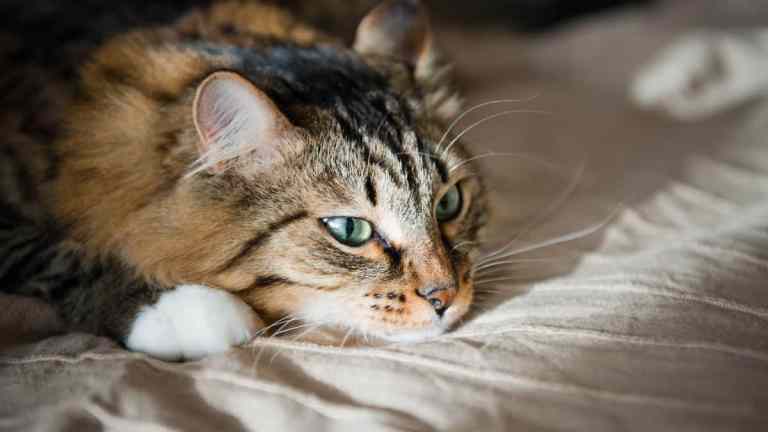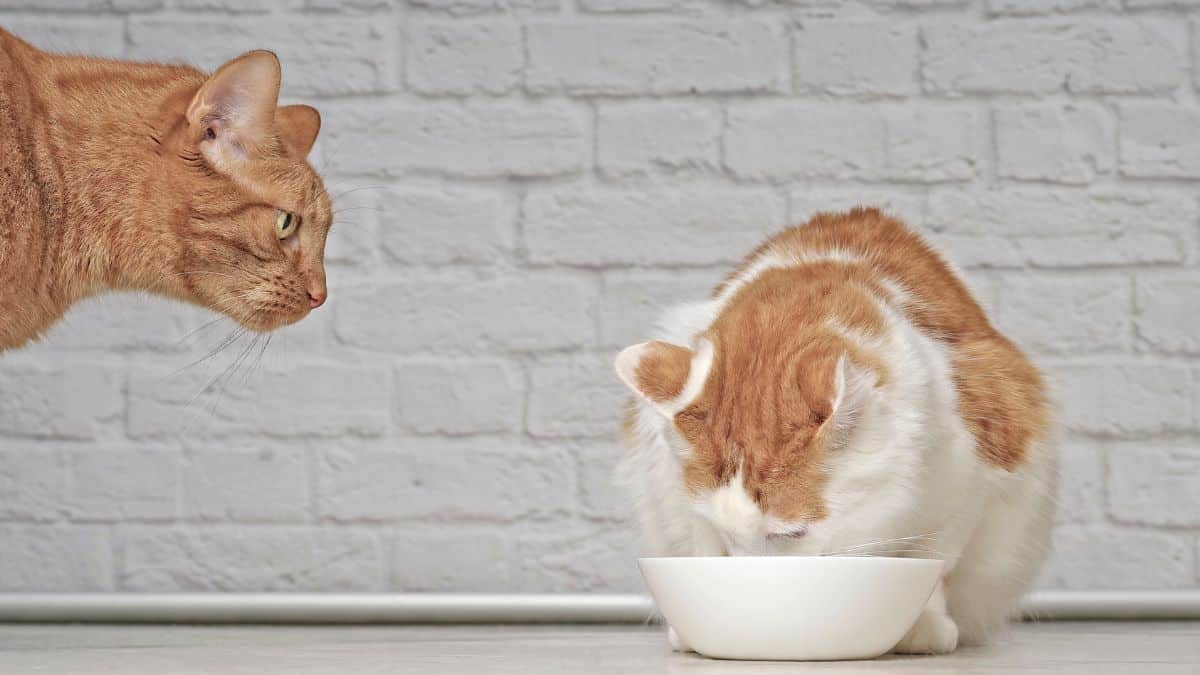
If you’ve ever felt like one of your cats glares at you for fussing the other, you’re not imagining it. While cats don’t feel jealousy exactly the way humans do, they absolutely notice when their social status feels threatened. And in a multi-cat household, this can lead to tension, competition, and the occasional hissy fit.
Let’s explore whether cats get jealous, how this behaviour presents itself, and how to keep the peace between your feline flatmates — without turning your home into a battleground.
Quick Answer: Do Cats Get Jealous?
Yes, cats can show signs of jealousy — often when they feel their territory, routine, or bond with you is being threatened. This can happen when you bring home a new pet, spend time with another cat, or even change up their environment. Managing multi-cat dynamics is all about balance, routine, and giving every cat what they need to feel safe.
Can Cats Really Get Jealous?

Feline emotions and social hierarchies
While cats don’t experience emotions like humans, they do respond strongly to change and social shifts — particularly in multi-cat homes. What we label as “jealousy” is usually a mix of stress, resource guarding, and attention-seeking behaviour.
You might notice:
It’s not spite — it’s insecurity. And once you understand what’s driving it, you can address the root cause rather than the symptoms.
Spot the Signs of a Jealous Cat

Common jealousy-linked behaviours
These are some of the most frequent signs one of your cats might be feeling put out:
- Swatting at another cat when you’re stroking them
- Physically pushing between you and the other pet
- Peeing in inappropriate places (especially on your bed or clothes)
- Scratching furniture more often
- Sudden aggression or changes in mood
- Following you obsessively or meowing for attention
Not all cats will display these behaviours, but any sudden change in demeanour — especially following a household shift — is worth investigating.
Why Multi-Cat Homes Spark Jealousy
Triggers and causes in shared feline spaces
Multi-cat tension often stems from competition over resources, including:
- Your time and affection
- Food bowls or feeding spots
- Favourite sleeping areas or window perches
- Litter trays
- Entry points or hiding places
Cats are territorial, and when they feel uncertain about their standing in the household, they may act out to reassert themselves.

Quick Tip
Make sure you have at least one litter tray per cat, plus one extra — and space them out to avoid conflict.
How to Keep the Peace in a Multi-Cat Home

1. Equal attention and playtime
Don’t let one cat monopolise your time. Make a point of engaging each cat individually, on their terms. Try:
- Separate cuddle sessions
- Solo playtimes using their preferred toys
- Personal grooming time with a soft brush
- Rewarding calm behaviour when they’re near each other
2. Scent swapping and familiarity
If a new cat has joined the household, ease the transition using scent association. Swap blankets or use soft cloths to transfer scent between them. Cats rely heavily on smell to identify safe companions.
3. Feeding stations and routine
Feeding cats together can spark tension, especially if one cat is a fast eater or more dominant. Feed them:
- In separate locations
- At the same time each day
- From similar dishes to avoid ‘bowl envy’
This reduces rivalry and creates predictability.
4. Vertical space is your best friend
Cats feel safer when they can perch up high and observe. Use:
- Cat trees
- Wall shelves
- Window perches
Multiple cats means multiple vertical zones — one perch won’t cut it. Cats need space to retreat and decompress.
5. Don’t force interactions
Let them set the pace. Encouraging closeness before they’re ready can backfire. Use:
- Feliway diffusers
- Parallel play (two cats playing separately in the same room)
- Positive reinforcement when they’re calm near each other
Over time, respect and tolerance often grow into gentle companionship.
When to Step In
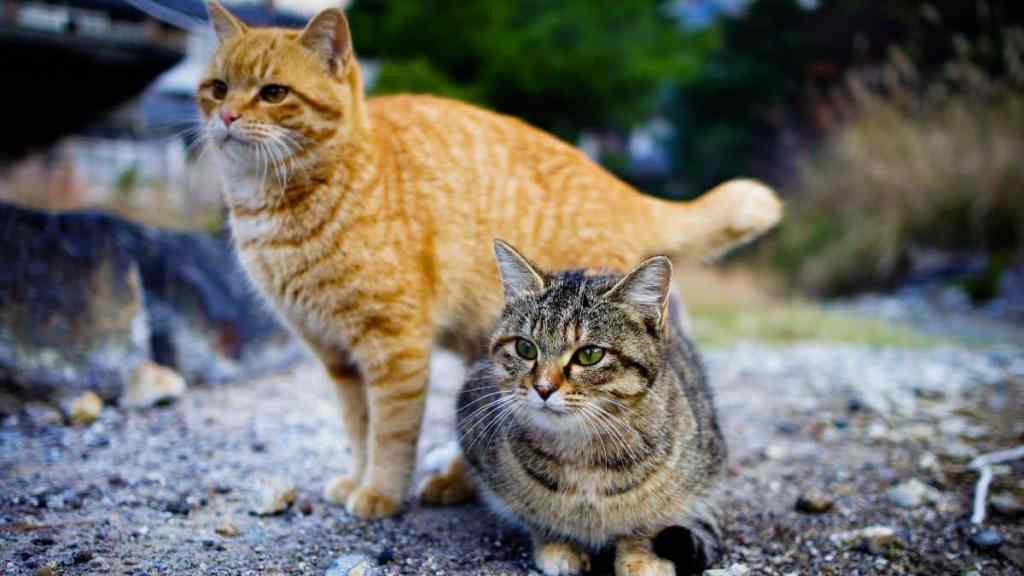
While minor spats are normal, you should intervene if:
- One cat is constantly chasing or intimidating the other
- You notice sustained bullying or guarding
- A cat stops eating, hiding, or showing signs of illness or depression
Separating them temporarily and reintroducing slowly may help. In serious cases, speak with a feline behaviourist or your vet.
Recap Box: Peacekeeping Checklist for Multi-Cat Homes
Final Thoughts
Cats can feel a form of jealousy — but it’s usually about safety, predictability, and competition, not complex emotions. In a multi-cat home, the key to harmony lies in giving each cat the confidence that their needs are met and their territory respected.
With the right set-up, routine, and gentle mediation, your cats don’t just have to “put up” with each other — they can thrive side-by-side. 🐾