Think you know everything about cats? Even the most devoted cat lovers often believe myths that have been passed down for generations. Let’s separate fact from fiction and debunk five of the most persistent cat myths.

Quick Tip
Want to communicate love back to your cat? Slow-blink at them — it’s scientifically proven to make cats more likely to approach you!
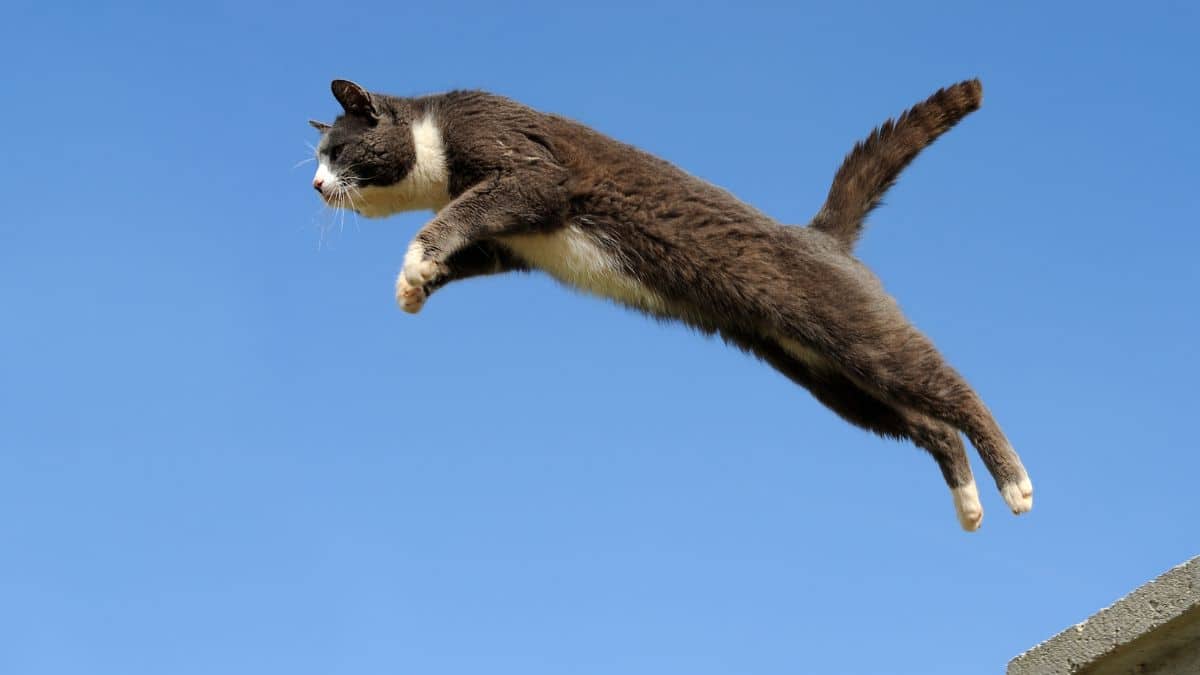
Myth 1: Cats Always Land on Their Feet
The Truth: While cats do have an impressive righting reflex that helps them twist mid-air to land feet-first, this doesn’t mean they always land safely—or on their feet at all.
Cats need sufficient falling distance (at least 30cm) to complete their rotation. Paradoxically, falls from very short heights can be more dangerous because cats don’t have time to right themselves. Falls from medium heights (2-6 storeys) are often the most dangerous, while cats falling from higher up sometimes fare better because they have time to spread their bodies and slow their descent.
Regardless, cats can suffer serious injuries from falls—broken bones, internal injuries, and dental damage are common. “High-rise syndrome” is a recognised veterinary condition describing injuries cats sustain from falling from buildings. Never assume your cat will be fine if they fall.

Myth 2: Cats Are Solitary Animals Who Don’t Need Companionship
The Truth: This myth stems from comparing cats to their wild ancestors. While domestic cats can survive alone, they’re actually quite social creatures who benefit from companionship.
Feral cat colonies demonstrate that cats naturally form social groups when resources allow. Domestic cats often form strong bonds with their human families and other household pets. Many cats left alone for extended periods show signs of stress, boredom, or depression.
That said, cats are more flexible about social needs than dogs. Some genuinely prefer being the only pet, while others thrive with feline companions. The key is understanding your individual cat’s personality and needs.
Myth 3: Cats Purr Only When They’re Happy
The Truth: Purring is far more complex than a simple happiness indicator. While cats do purr when content, they also purr when:
- Stressed or anxious: Cats often purr at the vet or when frightened
- In pain or unwell: Purring may be a self-soothing mechanism
- Hungry: Cats use a specific “solicitation purr” to request food
- Dying: Some cats purr in their final moments
Research suggests purring may have healing properties—the vibrations (25-150 Hz) may promote bone density and tissue repair. This could explain why cats purr when injured or stressed; they might literally be trying to heal themselves.
To understand what your cat’s purr means, look at the whole picture: body language, context, and other behavioural cues. A relaxed cat with soft eyes purring on your lap is happy. A tense cat purring at the vet is self-soothing.
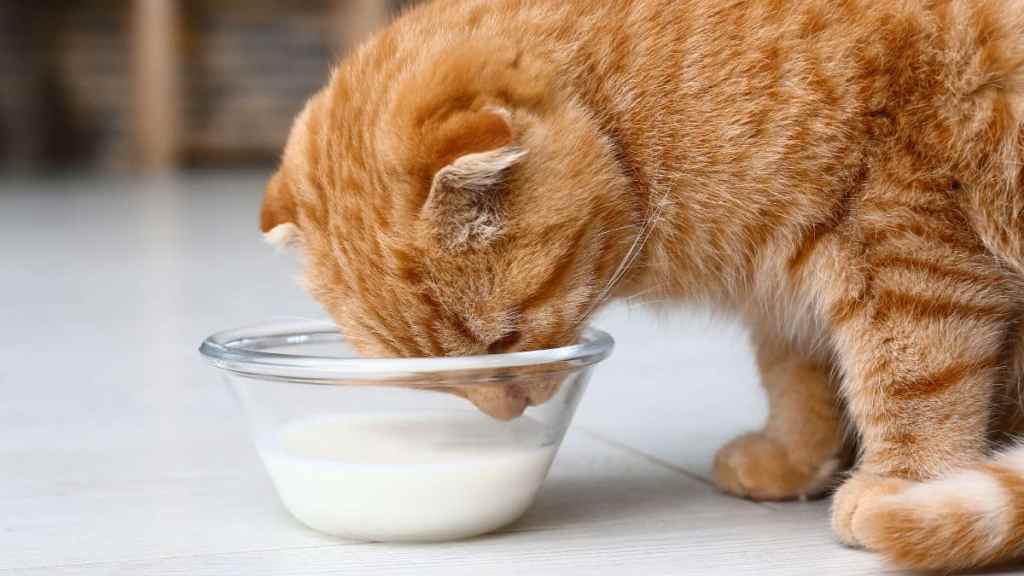
Myth 4: Milk Is Good for Cats
The Truth: The image of a cat happily lapping up a saucer of milk is iconic but problematic. Most adult cats are lactose intolerant.
Like many mammals, cats lose the enzyme (lactase) needed to digest milk sugar (lactose) after weaning. Giving milk to a lactose-intolerant cat can cause:
- Stomach upset and cramps
- Diarrhoea
- Vomiting
- Gas and bloating
While some cats tolerate small amounts of dairy, it offers no nutritional benefit they can’t get from their regular diet. If you want to give your cat a liquid treat, specially formulated “cat milk” (with reduced lactose) is a safer option—or simply stick to fresh water.
Myth 5: Black Cats Are Bad Luck
The Truth: This superstition has no basis in reality but has real consequences for black cats. In some countries, black cats are considered lucky—in Japan and much of the UK historically, they’re seen as good omens.
Sadly, black cats often wait longer for adoption than other colours. Some shelters report that black cats spend 10-30% longer waiting for homes. This “black cat bias” appears to be partly superstition and partly because black cats are harder to photograph for adoption listings.
In reality, a cat’s colour has no bearing on their personality, health, or the luck they’ll bring you. Black cats make wonderful, loving companions—and they look absolutely stunning.

Bonus Myths: Quick Debunks
“Cats hate water” – Many cats dislike being wet, but some breeds (like Bengals and Turkish Vans) actively enjoy water. Individual preferences vary greatly.
“Cats can see in complete darkness” – Cats have excellent low-light vision (about 6-8 times better than humans), but they still need some light to see. They can’t see in total darkness.
“Indoor cats don’t need vaccinations” – Indoor cats still benefit from core vaccinations. Diseases can enter your home on shoes, clothing, or other pets, and cats can escape unexpectedly.
“Cats are nocturnal” – Cats are actually crepuscular, meaning they’re most active at dawn and dusk, not throughout the night.
Why Myths Matter
Understanding the truth about cat behaviour helps us provide better care. Believing cats are solitary might mean we ignore signs of loneliness. Thinking purring always means happiness could cause us to miss pain signals. Giving milk as a treat might cause digestive distress.
The more we understand our feline friends, the better we can meet their needs and strengthen our bond with them.
Want to learn more about understanding your cat? Check out our guide to why cats stare or explore cat body language.
Learn more: Discover why cats stare at you and check out 15 weird things cats do (and why!).