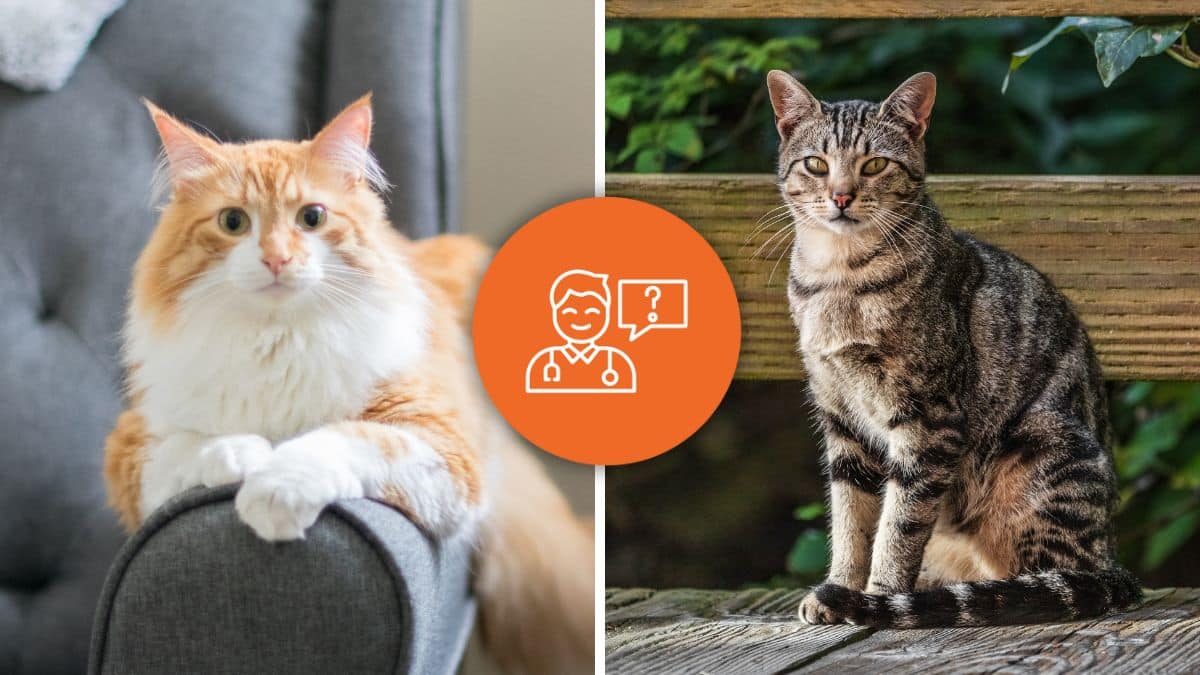
Cats are famously independent creatures, and their ideal lifestyle sparks endless debate. Should they roam freely outdoors, chasing butterflies and exploring their territory, or is it safer and healthier for them to live strictly indoors? This age-old question comes down to balancing their natural instincts with the practical realities of keeping them safe and healthy.
In general, indoor cats tend to live longer due to the reduced risks of injury, disease, and accidents. With the absence of threats like traffic or hostile animals, they are shielded from many of the dangers outdoor cats face. However, access to the outdoors can provide important mental stimulation and allow cats to express their natural instincts, like hunting and exploring, which are crucial for their well-being—if done safely.
So, which lifestyle is ultimately healthier for your cat? Let’s dive into the facts and explore the key benefits and challenges of both indoor and outdoor living, so you can make an informed decision about what’s best for your feline companion.
Why This Debate Isn’t One-Size-Fits-All
Every cat is unique, and so is every home environment. What’s ideal for a playful young Bengal in a peaceful countryside setting may not suit a senior rescue living in a busy urban area next to a busy road. The right choice ultimately comes down to understanding your individual cat’s needs and your living conditions.
Feline health doesn’t solely depend on whether a cat has access to the outdoors. It’s influenced by a combination of factors such as safety, mental stimulation, regular vet care, and the overall lifestyle balance. For instance, a highly energetic cat like a Bengal may thrive with outdoor access in a controlled environment, while an older cat may benefit more from a secure and comfortable indoor life with ample enrichment.
Let’s dive deeper into the key factors that influence the health and well-being of both indoor and outdoor cats, so you can make the best choice for your furry friend.
Health Benefits of Keeping Cats Indoors

🏡 1. Longer Lifespan
Indoor cats in the UK typically live longer than their outdoor counterparts. While indoor cats can live 12–20 years, outdoor cats often face risks that can reduce their lifespan to around 5–10 years. These risks include exposure to predators, diseases, and accidents that are much less common for indoor cats. Although there are no guarantees, the trend suggests that indoor living offers a safer, longer life.
✅ Reduced Risks for Indoor Cats:
- Road Traffic Accidents: Outdoor cats face significant dangers from cars and other vehicles, especially in urban or busy areas.
- Fights with Other Animals: Outdoor cats often get into territorial disputes with other animals, leading to physical injury or the risk of disease transmission.
- Poisoning: Whether it’s from antifreeze in a driveway, toxic plants in the garden, or chemicals like pesticides, outdoor cats are exposed to many poisons that can be deadly.
- Parasites & Infections: Outdoor cats are at greater risk of contracting fleas, ticks, worms, and infections from bites or wounds caused by other animals. Keeping a cat indoors reduces exposure to these risks, which can significantly improve their overall health.

Quick Tip
While indoor cats are at less risk of trauma or disease, it’s still crucial to maintain regular veterinary check-ups, ensure your cat is vaccinated, and treat for fleas and worms to keep them healthy.
🐾 2. Lower Disease Risk
Indoor cats are generally at a much lower risk of contracting harmful diseases that are common among outdoor cats. Some of the most notable risks include:
- Feline Leukaemia Virus (FeLV): This contagious disease can be deadly for cats. It is transmitted primarily through saliva, so outdoor cats that interact with other felines are at a higher risk.
- Feline Immunodeficiency Virus (FIV): Similar to HIV in humans, FIV weakens the immune system, making it difficult for cats to fight infections. Like FeLV, it is spread through bite wounds, which outdoor cats are more likely to experience.
- Fleas, Ticks, and Worms: While outdoor cats are constantly exposed to fleas, ticks, and worms from wildlife and other animals, indoor cats are far less likely to develop these parasites.
- Infectious Wounds from Bites: Outdoor cats often get into fights with other animals, leading to bites and scratches that can easily become infected.
Keeping your cat indoors significantly reduces their exposure to these diseases and parasites, ensuring a healthier, longer life. Additionally, in multi-cat households, an infected outdoor cat can easily transmit diseases to other cats, especially if they are allowed indoors.
⚖️ 3. Controlled Diet and Weight

Indoor cats’ eating habits are much easier to control, which can be especially important if your cat needs a specific diet or is prone to overeating. You have the ability to monitor:
- What and When They Eat: Indoor cats have their meals regulated, allowing you to ensure that they are receiving the proper nutrients and not indulging in unhealthy snacks.
- How Often They Use the Litter Tray: You can track your cat’s litter tray usage, making it easier to spot any potential health issues (e.g., urinary problems, kidney disease).
- Changes in Habits or Behaviour: Indoor living helps you keep a close eye on your cat’s habits. Any change in appetite, litter tray usage, or activity can be a sign of illness, which means you can get them checked by a vet sooner.
Quick Tip
Always provide your indoor cat with fresh drinking water in multiple places around the house. Hydration is key to preventing urinary tract problems, which are common in cats. Keep an eye on their water intake, and if your cat refuses to drink, try offering a cat water fountain — many cats prefer running water, and it can encourage them to stay hydrated.
Challenges Faced by Indoor Cats

🧠 1. Boredom and Under-Stimulation
Without sufficient mental and physical stimulation, indoor cats can become bored, frustrated, and even depressed. While they may have the comfort of the indoors, it’s essential to create an environment that offers engaging activities for your feline friend. Signs to watch for include:
- Overeating or sleeping excessively – A bored cat may eat out of habit or boredom.
- Destructive scratching or attention-seeking – Cats need outlets for their energy, and if they don’t get them, they may resort to scratching furniture or other unwanted behaviours.
- Overgrooming or obsessive behaviours – Cats that lack stimulation may turn to grooming as a form of self-soothing or out of frustration.
🐾 2. Lack of Natural Enrichment
Cats are instinctive hunters, climbers, and explorers, and keeping them indoors means finding ways to stimulate those instincts. When those needs aren’t met, mental and physical health can decline. To keep your indoor cat engaged and happy, provide:
- Vertical space – Cats love to climb. Cat trees, shelves, or even safe ledges near windows give them places to climb and explore.
- Puzzle feeders and interactive toys – Mental stimulation is crucial. Puzzle feeders help your cat ‘work’ for their food, keeping their brain active.
- Regular play sessions (10–15 minutes, twice daily) – Engage in playtime that mimics hunting behaviour, such as using interactive toys that simulate prey.
- Access to windows or “cat TV” – A cat’s curiosity can be piqued by watching birds, squirrels, or other animals outside. Set up a comfy perch near a window, or even show your cat bird and fish videos online.
⚠️ 3. Obesity and Joint Problems
Without the ability to roam freely, indoor cats can struggle to maintain an active lifestyle, which may lead to weight gain. This weight gain can contribute to several health issues, including:
- Diabetes – Extra weight can lead to insulin resistance, a precursor to diabetes.
- Arthritis – As cats age, being sedentary can lead to joint problems, particularly in older cats.
- Urinary tract disease – Cats that don’t get enough exercise may develop problems with their urinary system, especially if their diet isn’t right.
Routine vet checks and regular play are key to keeping your cat lean, limber, and in good health. It’s crucial to encourage movement in your indoor cat’s life to help prevent these common health issues.
Health Pros of Outdoor Access (When Safe)
🌳 1. Natural Exercise and Enrichment
Outdoor cats naturally climb, scratch, sniff, explore, and hunt — satisfying many of their instinctive needs. These behaviours are essential for their well-being. This supports:
- Healthy weight management – Outdoor activity helps burn off energy and keeps your cat at a healthy weight.
- Muscle tone and joint health – Regular outdoor exercise builds strength and flexibility.
- Cognitive function and mood – The outdoors provides mental stimulation, which is crucial for your cat’s mental health.
Many behaviourists agree: a cat that’s allowed to express natural behaviours is likely to feel less stressed or frustrated, as long as it’s done safely.
🐀 2. Reduced Boredom
The outdoors provides endless stimulation. Even five minutes spent in the garden offers fresh: • Scents – Outdoor smells spark curiosity.
- Sounds – Birds, rustling leaves, and neighbourhood noises all keep cats intrigued.
- Wildlife to stalk – Even if they don’t catch anything, stalking birds or insects provides important exercise.
For high-energy or easily bored cats, outdoor access can reduce destructive or obsessive behaviours they might develop from being indoors too much.
Risks Associated with Outdoor Cats

🚗 1. Road Traffic Accidents
One of the most tragic — and common — dangers outdoor cats face is road traffic accidents. Cats, particularly those near busy roads, are at a significantly higher risk of injury or death. Even experienced outdoor cats can get distracted and wander into dangerous areas. Consider your location carefully:
- Quiet cul-de-sac? Potentially safer, but always supervise.
- Main road? It’s best to keep them indoors or invest in a secure outdoor space like a catio or enclosed garden.
Road traffic accidents remain one of the leading causes of injury and death in outdoor cats, particularly in urban or suburban areas.
🐾 2. Fights, Bites, and Diseases
Outdoor cats often share their territory with other cats, which can lead to fights. These encounters can result in injuries and infections. Feral cats, in particular, may carry diseases that could spread to your cat. They are also at higher risk of:
- Ticks and fleas – External parasites that can lead to skin issues and transmit diseases.
- Worm infestations – Outdoor cats are more likely to ingest parasites, leading to health problems.
- Toxoplasmosis – A parasitic infection that can affect both cats and humans, especially pregnant women.
- FeLV (Feline Leukemia Virus) and FIV (Feline Immunodeficiency Virus) – Both of these viruses can severely compromise your cat’s immune system.
Outdoor cats, especially those in urban areas, are particularly vulnerable to these diseases. Routine vet checks and vaccinations are essential if your cat spends time outdoors.
🐍 3. Poisons, Pesticides, and Plants

Outdoor cats are exposed to a range of potentially lethal substances in gardens and on walks. These include:
- Slug pellets and rodent bait – Both are toxic to cats and can be found in many outdoor spaces.
- Garden fertilisers – Some contain harmful chemicals that can be poisonous if ingested.
- Toxic plants – Common plants like lilies, daffodils, and tulips are extremely toxic to cats, even in small amounts.
- Antifreeze – Especially dangerous in colder months, antifreeze is sweet-tasting and often attractive to pets, but it’s lethal if consumed.
Quick Tip
Even if your cat only goes outside under supervision, ensure your garden is cat-safe by avoiding toxic plants, securing chemicals, and being aware of any potential outdoor hazards.
The Middle Ground: Safe Outdoor Access for Indoor Cats
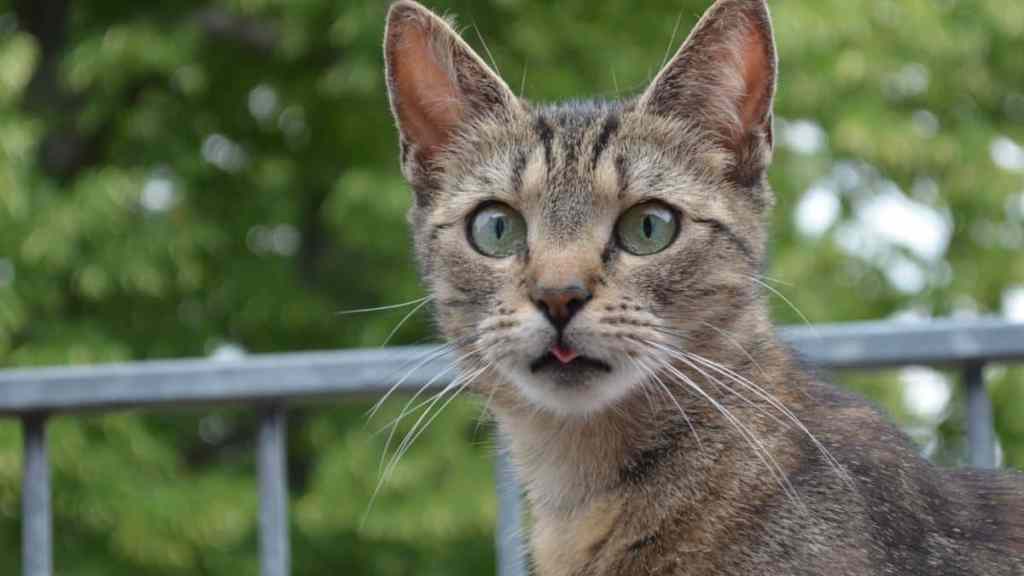
You don’t have to choose one extreme. There are safe ways to offer outdoor time to indoor cats, giving them some fresh air while keeping risks at bay:
✅ Catios or Enclosed Gardens
- Let your cat experience the outdoors safely, without the risks.
- Ideal for city cats or homes near busy roads.
- Provides ample space to climb, scratch, and explore safely.
✅ Supervised Walks (with a Harness)
- Best suited for confident, calm cats who enjoy human company.
- Start slow indoors to get your cat accustomed to the harness, and never force it.
- Take short walks in secure areas for outdoor stimulation without the danger.
✅ Balcony Cat Netting or Window Perches
- Perfect for flats or urban living spaces.
- Allows your cat to experience outdoor sights and sounds without the exposure to outdoor risks.
- Consider adding safe perches or balcony netting to offer your cat a “view” of the outside world while remaining protected.
Final Thoughts
So, indoor versus outdoor cats: which is healthier? From a purely physical risk perspective, indoor cats generally come out on top, with fewer accidents, diseases, and dangers.
However, the healthiest cat is one whose environment meets all their needs: safety, enrichment, exercise, and affection, wherever that may be. If you choose an indoor-only lifestyle for your cat, be sure to prioritise variety, movement, and mental stimulation — things that mimic natural behaviours. If your cat ventures outdoors, it’s important to make sure their environment is as safe, clean, and secure as possible.
There is no single “right” answer; what matters most is choosing what’s best for your cat’s wellbeing in the context of your home, your lifestyle, and your cat’s individual needs.