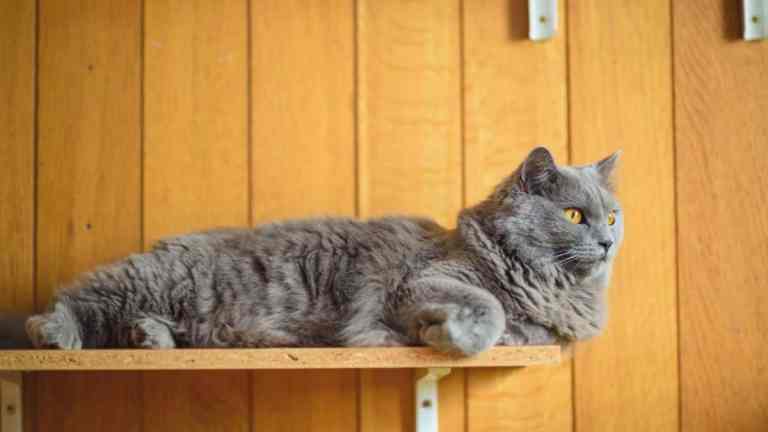
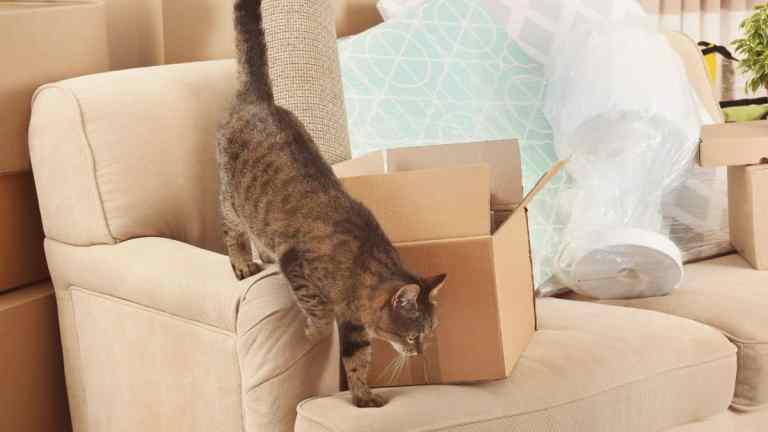
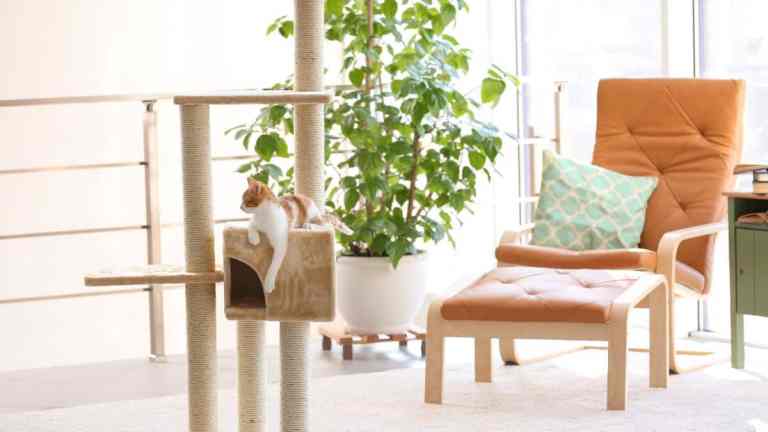
Have you noticed your once-affectionate cat keeping to themselves, turning their nose up at cuddles, or avoiding you altogether? You’re not alone — and you’re right to wonder what’s going on. Sudden changes in behaviour are a cat’s way of telling us something’s up, and understanding the signs early can make all the difference.
Whether it’s a sign of stress, illness, or something emotional, this guide will help you decode what your cat is feeling — and what you can do to help them feel like themselves again.
Quick Answer: Why Is My Cat Suddenly Acting Distant?
Cats may act distant due to stress, illness, pain, changes in routine, or emotional shifts like grief or anxiety. If your cat has suddenly become withdrawn, it’s important to monitor for other symptoms and consider both medical and behavioural causes. Always consult your vet if their change is sudden or concerning.
Is It Normal for Cats to Act Distant?
While cats have a reputation for being independent, a sudden drop in affection isn’t always part of the package. Most cats form strong bonds with their humans and develop daily routines that feel safe and familiar. If your usually cuddly cat suddenly avoids you, hides more, or acts like they don’t recognise your presence, it’s worth paying attention.
Cats are subtle communicators. What may come across as moodiness or “being off” is often a red flag for something deeper — whether it’s physical discomfort, stress, or emotional strain. A behavioural shift is how your cat signals that something has changed.
Common Reasons Cats Suddenly Become Distant
If your cat’s behaviour has changed, it’s not random — there’s usually a cause. Here are the most common reasons your cat might suddenly seem withdrawn or avoidant:
1. Underlying Health Problems
When a cat suddenly becomes withdrawn, illness is one of the first things to consider. Cats are hardwired to hide discomfort — it’s a survival instinct. So instead of limping or whining like a dog might, they often retreat quietly, avoiding contact, food, or even favourite people.
This can make it easy to misread the signs. What looks like moodiness could actually be pain, infection, or a developing health issue.
Signs your cat may be unwell include:
These behaviours can stem from common medical problems like dental pain, arthritis, urinary tract infections, or internal issues such as kidney disease or hyperthyroidism.

Quick Tip
Always rule out medical causes first. A fast vet check — even if it turns out to be nothing — is worth it for peace of mind. Left untreated, minor issues can escalate and make your cat’s behaviour worse.
2. Stress and Anxiety
Cats don’t cope well with change — even subtle shifts in their surroundings can leave them feeling anxious or unsettled. When stressed, they often retreat, act skittish, or avoid contact altogether.
Common triggers include:
Signs of stress to watch for:
If you suspect your cat is stressed, try to restore calm and predictability. Stick to their usual feeding and play routines, avoid forced interaction, and make sure they have access to quiet, secure hiding spots. Pheromone diffusers can also help settle nerves.
Some owners also use natural calming drops during periods of upheaval — products like Animigo’s Calming Drops can be a helpful addition during high-stress periods.

3. Ageing and Cognitive Decline
As cats get older, changes in behaviour are common — and not always cause for alarm. Just like people, they can become less sociable, a little forgetful, or more sensitive to noise and disruption. That said, sudden distancing in older cats may signal discomfort, cognitive decline, or an underlying medical issue.
Older cats may:
Some of this can be linked to age-related conditions such as arthritis, dental pain, or sensory decline — all of which can make cats less keen to interact. Others may develop feline cognitive dysfunction (similar to dementia), which can affect memory and behaviour.
Supportive changes at home can make a big difference:
It’s always worth having your vet check for pain, arthritis, or sensory loss. With the right support, many older cats remain happy, affectionate, and settled well into their later years.

4. Emotional Changes: Grief, Jealousy or Boredom
Cats may seem emotionally detached at times, but they’re more in tune with their surroundings than they let on. Changes in household dynamics — like losing a companion, welcoming a new baby, or spending less time with them — can all cause a shift in their behaviour.
A cat that’s grieving or feeling left out may:
It’s easy to overlook these signs as moodiness, but they’re often a subtle cry for connection. Cats can experience grief after the loss of another pet or a family member. Others may withdraw when a new pet arrives or when household routines suddenly shift.
How to help them reconnect:
Boredom can also play a part — particularly in indoor cats. Enriching their environment with vertical spaces, window views, and interactive toys can re-engage their interest and help rebuild your bond.
5. Hormonal Shifts or Sexual Maturity
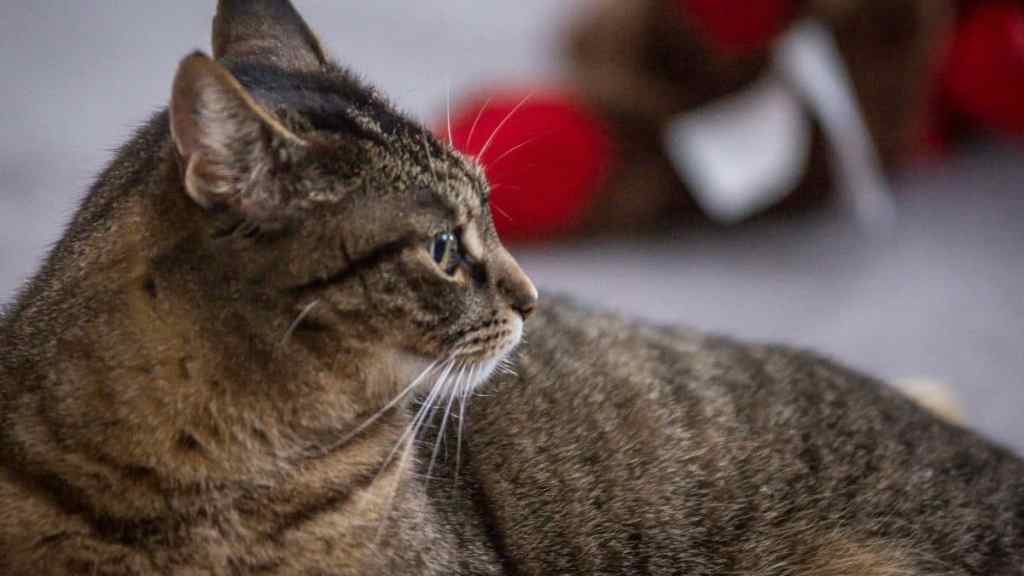
If your cat hasn’t been neutered or spayed, sudden behavioural changes may be hormonal. As they reach sexual maturity — typically around 4 to 6 months — they can become restless, irritable, or distant seemingly overnight.
You might notice:
These changes aren’t just difficult to manage — they can also be distressing for your cat. The drive to mate can override usual behaviour, making them appear detached, unpredictable, or even upset.
Spaying or neutering doesn’t just prevent unwanted litters — it typically leads to a calmer, more stable temperament. Most cats become more affectionate and less erratic once their hormones level out.
If your cat is already neutered and still showing similar behaviours, it’s worth checking for lingering scent triggers in the environment or other stress-related causes. Your vet can also rule out hormonal imbalances or behavioural conditions.
6. You Might Be Giving Off Mixed Signals
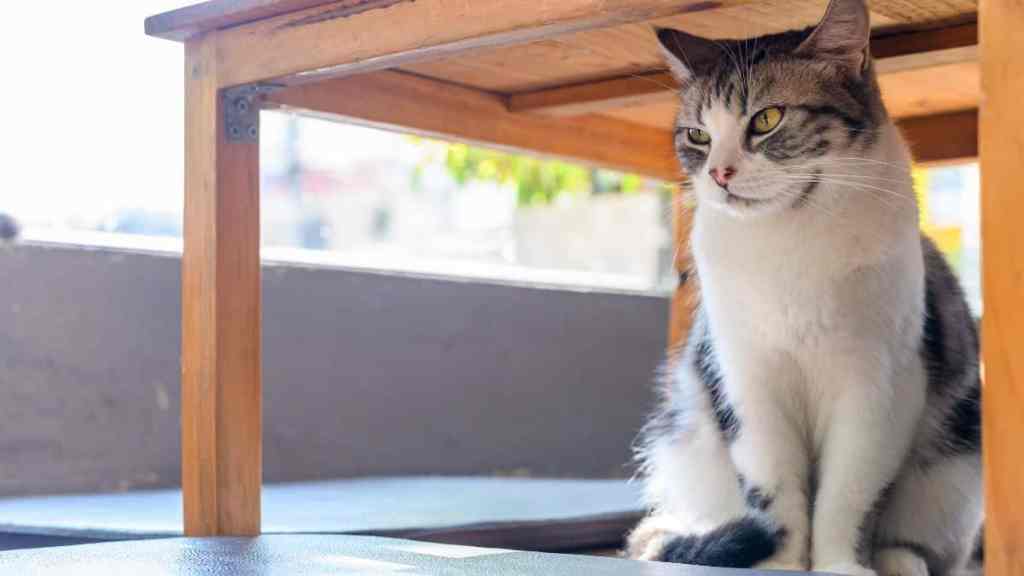
Cats are highly attuned to the energy and body language of the people around them. If you’ve been stressed, shouting more, or pulling away emotionally, your cat may be responding in kind — not out of malice, but out of confusion or self-protection.
Even subtle changes in how you move, speak, or approach them can affect their trust. If you’ve recently been busier, less affectionate, or inconsistent with routines, your cat might interpret that as rejection or danger.
To rebuild trust:
Consistency and patience are key. Once your cat feels secure again, they’ll often begin to seek you out — but always on their terms.
How to Reconnect With a Distant Cat
The good news: in most cases, cats bounce back when they feel safe and understood. Whether the cause is emotional, environmental or physical, your role is to give them space while gently re-establishing connection.
Try:
Even small steps — like sitting in the same room or speaking softly — can go a long way. Let your cat lead the pace.

When to Worry: Red Flags That Warrant a Vet Visit
If your cat’s behaviour shift is accompanied by physical symptoms, contact your vet. Some issues can escalate quickly if left unchecked.
Watch for:
Withdrawal isn’t always emotional — and persistent distancing often signals discomfort or illness.
Summary Table: Why Your Cat Might Be Acting Distant
|
Possible Cause |
Key Signs |
What to Do First |
|---|---|---|
|
Illness or Pain |
Hiding, avoiding touch, appetite drop |
Book a vet check |
|
Stress or Environmental Change |
Skittishness, over-grooming, changes in litter use |
Re-establish routine, provide safe space |
|
Emotional Shift (Grief/Jealousy) |
Sleeping more, withdrawn behaviour |
Offer gentle bonding, daily play |
|
Ageing or Cognitive Decline |
Confusion, odd sleeping habits |
Adjust home setup, check with vet |
|
Hormonal Shifts |
Spraying, restlessness, irritability |
Consider neutering/spaying |
|
Owner Behaviour or Mixed Signals |
Avoidance, watching from a distance |
Rebuild trust with calm, slow interaction |
Final Thoughts
If you’re asking, “Why is my cat suddenly acting distant?” — you’re already doing the right thing. Cats may be quiet communicators, but their behavioural shifts are rarely random. Tuning in early gives you the best chance to fix what’s wrong, whether it’s physical pain, emotional stress, or a subtle household change.
Trust your instincts, be patient, and speak to your vet if you’re ever unsure. Your quiet presence, steady routine, and gentle support will do more than you realise.