If your dog has started scratching more than usual, rubbing their face on the carpet, or sneezing during your springtime walks, hay fever might be the unexpected culprit. While we often associate hay fever with runny noses and watery eyes in humans, dogs can also suffer from seasonal allergies — but their symptoms look quite different. In fact, hay fever in dogs is surprisingly common, especially in the UK where pollen levels can spike quickly with our unpredictable climate.
In this guide, we’ll explore the signs of hay fever in dogs, how it’s diagnosed and treated, and what UK owners can do to help their furry friends find relief — particularly during peak pollen months.
Quick Answer: Can Dogs Get Hay Fever?
Yes, dogs can get hay fever. Hay fever in dogs is caused by an allergic reaction to airborne pollen from grass, trees, or weeds. Unlike humans, dogs usually show symptoms through itchy skin, excessive scratching, red eyes, and recurring ear infections. If left untreated, these symptoms can worsen over time. Treatment is available, but always consult your vet before giving your dog any allergy medication.
What Is Hay Fever in Dogs?

Hay fever in dogs, also known as canine hay fever, is an allergic reaction to airborne pollen — typically from grass, trees, or weeds. Unlike humans, who tend to suffer from sneezing and watery eyes, dogs usually experience itchy skin, irritated paws, and recurrent ear problems. The condition is surprisingly common in the UK, especially during spring and summer when pollen levels spike.
In medical terms, dog hay fever is referred to as canine atopy or atopic dermatitis. It’s one of the most frequently diagnosed skin conditions in dogs, often triggered by environmental allergens that would otherwise be harmless.
Hay fever in dogs is a real condition — and it’s more common than you might think
Dog hay fever happens when your pet’s immune system overreacts to pollen in the air. These tiny particles land on your dog’s fur, paws, or are inhaled through the nose, triggering inflammation and discomfort. Some dogs may only have mild seasonal symptoms, while others develop persistent, year-round issues.
It’s triggered by pollen, not food or fleas
This is an environmental allergy, not a dietary or parasite-related issue. That said, the symptoms can look similar, which is why it’s important not to assume — and to get a professional diagnosis. Pollen-induced reactions often centre around the skin, face, paws, and ears.
Most dogs show skin-related symptoms, not sneezing
While some dogs might sneeze or get watery eyes, most suffer from:
These signs often worsen over time if left untreated.
Some cases are seasonal — others persist all year
In the UK, pollen season typically runs from spring to early autumn, but some dogs may also react to year-round triggers like dust mites or mould. These dogs may appear to have constant hay fever when the true cause is chronic environmental allergy.
When Is Pollen Season in the UK?

Pollen season in the UK typically spans from late February to early September, but the exact timing depends on the type of pollen and weather conditions each year. For many dogs with hay fever, symptoms will appear or worsen during this period — especially if they’re triggered by grass or tree pollen.
Pollen counts rise and fall with the weather
Warm, dry, and windy days tend to increase pollen levels, while rain can temporarily reduce them. Dogs that spend a lot of time outdoors — especially rolling in grass or sniffing low to the ground — are more likely to be exposed.
Symptoms of Hay Fever in Dogs

Hay fever in dogs can be tricky to spot, especially since the symptoms often look like other common issues such as flea bites, food allergies, or skin infections. Unlike in humans — where hay fever usually causes sneezing and congestion — dogs tend to show their discomfort through their skin, paws, and ears.
Some dogs may only show one or two mild signs, while others develop a combination of symptoms that worsen during pollen season.
Common signs of dog hay fever include:
Watch for patterns
Symptoms usually worsen in spring and summer, especially after time outdoors. If your dog’s itching seems to follow a seasonal pattern, hay fever is a likely cause.
Mild to severe cases
Some dogs may only have a bit of itchiness that settles down on its own, while others may need medication to prevent the symptoms from escalating. If left untreated, hay fever can lead to secondary skin infections, hot spots, or chronic ear issues — all of which can be painful and costly to treat.
Breeds More Prone to Allergies

While any dog can develop hay fever, some breeds are genetically more predisposed to allergies, including environmental ones like pollen. These breeds often have more sensitive skin or immune systems that overreact to common allergens, making them more likely to develop symptoms such as itching, ear infections, and inflamed skin.
Common UK dog breeds prone to hay fever:
- West Highland White Terrier (Westie) – Known for sensitive skin and recurring atopic issues
- Labrador Retriever – Popular family breed but often prone to environmental allergies
- Cocker Spaniel – Frequently suffers from ear problems triggered by pollen or dust
- Boxer – Can be highly reactive to allergens, especially in warmer months
- French Bulldog – Flat-faced breed with sensitive skin and folds that trap pollen
- Staffordshire Bull Terrier – Common UK breed with a history of skin sensitivities
- Golden Retriever – Thick coats can trap pollen and worsen allergic reactions
Flat-faced (brachycephalic) breeds need extra care
Dogs with flat faces — like Pugs, Bulldogs, and Frenchies — are not only prone to skin issues, but their facial folds and compact airways can trap allergens more easily. This can lead to redness around the eyes, snorting, and more intense sneezing or breathing difficulties during high pollen periods.
While being part of a sensitive breed doesn’t guarantee hay fever, it does mean you should stay alert for early signs — especially in spring and summer when symptoms tend to peak in the UK.
How Vets Diagnose Hay Fever in Dogs

Diagnosing hay fever in dogs isn’t always straightforward. That’s because the symptoms — itching, ear infections, skin inflammation — often overlap with other common issues like flea allergies, food sensitivities, mites, or bacterial infections. So rather than running a single test, your vet will typically use a process of elimination to rule out other causes first.
Step-by-step: how hay fever is usually diagnosed
1. Full clinical history and exam
Your vet will ask when the symptoms began, whether they follow a seasonal pattern, and whether they get worse after walks or time in the garden. They’ll also examine the skin, ears, and paws closely for signs of allergy-related irritation.
2. Exclusion of other causes
Before settling on hay fever, your vet may first:
- Treat for fleas or mites
- Trial a hypoallergenic diet to rule out food allergies
- Check for bacterial or yeast infections
These steps help eliminate other possibilities with similar symptoms.
3. Allergy testing (optional in persistent cases)
If symptoms persist despite basic treatment, your vet may refer you for allergy testing. There are two main options:
- Blood testing (serology): A sample is tested for antibodies against various allergens, including pollens.
- Intradermal skin testing: Tiny amounts of allergens are injected under the skin to observe reactions. This is often considered the gold standard but may require referral to a dermatologist.
4. Treatment trials
In some cases, your vet may try prescribing antihistamines or anti-itch medication to gauge your dog’s response — which can also help confirm pollen sensitivity.
Is allergy testing necessary?
Not always. Many mild cases of hay fever can be managed without it. But for dogs with chronic or severe symptoms, testing can help guide long-term treatment and may be essential if considering immunotherapy.
Vet-Approved Treatments and Relief Options

There’s no cure for hay fever in dogs, but there are safe, effective treatments to manage symptoms — especially when guided by a vet. The right approach depends on the severity of your dog’s symptoms, how long they last, and how they respond to medication or environmental changes.
Common treatment options your vet may recommend:
Antihistamines
Some dogs respond well to antihistamines such as cetirizine, loratadine, or chlorphenamine — but never give human meds without vet guidance. Dosage and suitability vary by breed, size, and condition.
Prescription medications
For more persistent cases, your vet may prescribe:
- Apoquel – Fast-acting oral tablet that blocks itch at the source
- Cytopoint – An injectable treatment that provides relief for up to a month
- Steroids – Effective for short-term relief but not ideal long-term due to side effects
Medicated shampoos
Bathing your dog weekly with hypoallergenic or medicated shampoo can remove pollen from their coat and soothe irritated skin. Your vet may recommend shampoos containing chlorhexidine, oatmeal, or antifungal agents.
Fatty acid supplements
Omega-3 and omega-6 fatty acids can help improve skin health and reduce inflammation over time. These are often included in skin support supplements or prescription diets.
Immunotherapy (allergy desensitisation)
For dogs with confirmed pollen allergies, vets may recommend custom allergy shots or oral drops. These gradually build tolerance to specific allergens, but results can take months and aren’t guaranteed.
What about natural remedies?
Some owners explore natural options like quercetin, coconut oil, or herbal rinses, but their effectiveness is variable and not always backed by strong evidence. Always check with your vet before trying anything new, even if it’s labelled “natural”.

Quick Tip
Treating hay fever in dogs is highly individual. What works for one dog may not help another — and the wrong treatment can make symptoms worse. Always consult your vet before giving any medication.
Everyday Tips to Manage Hay Fever at Home
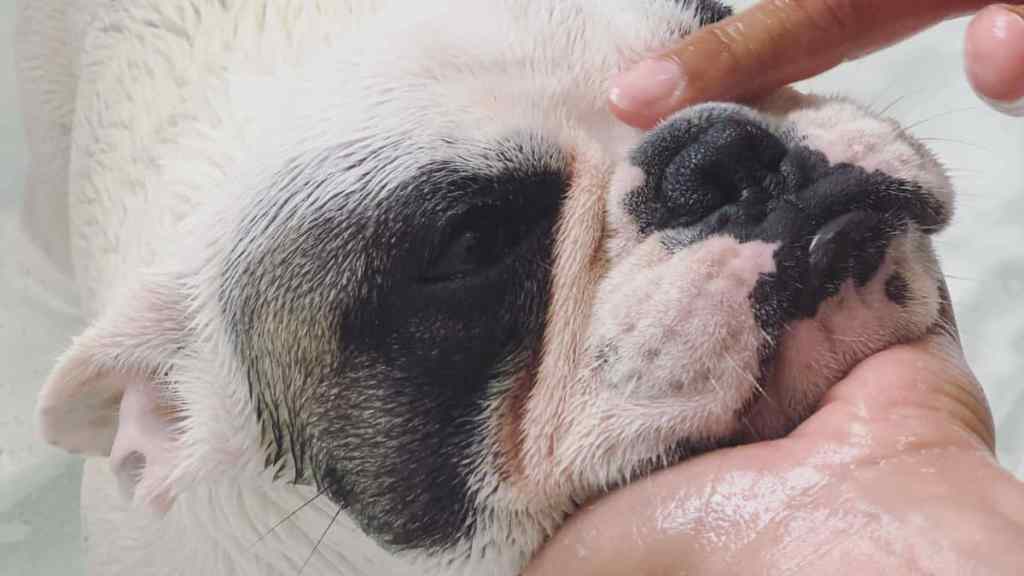
While vet-prescribed treatments can be essential, there’s also a lot you can do day-to-day to reduce your dog’s exposure to pollen and ease their symptoms. These small changes can make a big difference — especially during peak pollen season in the UK.
Practical steps to reduce your dog’s pollen exposure:
FAQs About Dogs and Hay Fever
Final Thoughts
Hay fever in dogs is more common than many UK pet owners realise. While it doesn’t usually present the same way it does in humans, the signs — like itching, paw licking, ear infections, and inflamed skin — can seriously affect your dog’s comfort and wellbeing. The good news? With the right treatment plan and a few everyday changes, most dogs with hay fever can live happy, symptom-managed lives.
If you suspect your dog is reacting to pollen, don’t ignore the signs. Speak to your vet, avoid self-medicating, and take practical steps at home to limit exposure during pollen season. Whether it’s a weekly bath, paw wipes after walks, or prescribed relief like Apoquel or antihistamines, small changes can have a big impact.
Stay in tune with your dog’s symptoms, keep an eye on the UK pollen forecast, and be ready to adapt your routine during high-risk months. Your dog might not be able to say what’s bothering them — but with a little help, you can make pollen season a lot more bearable.