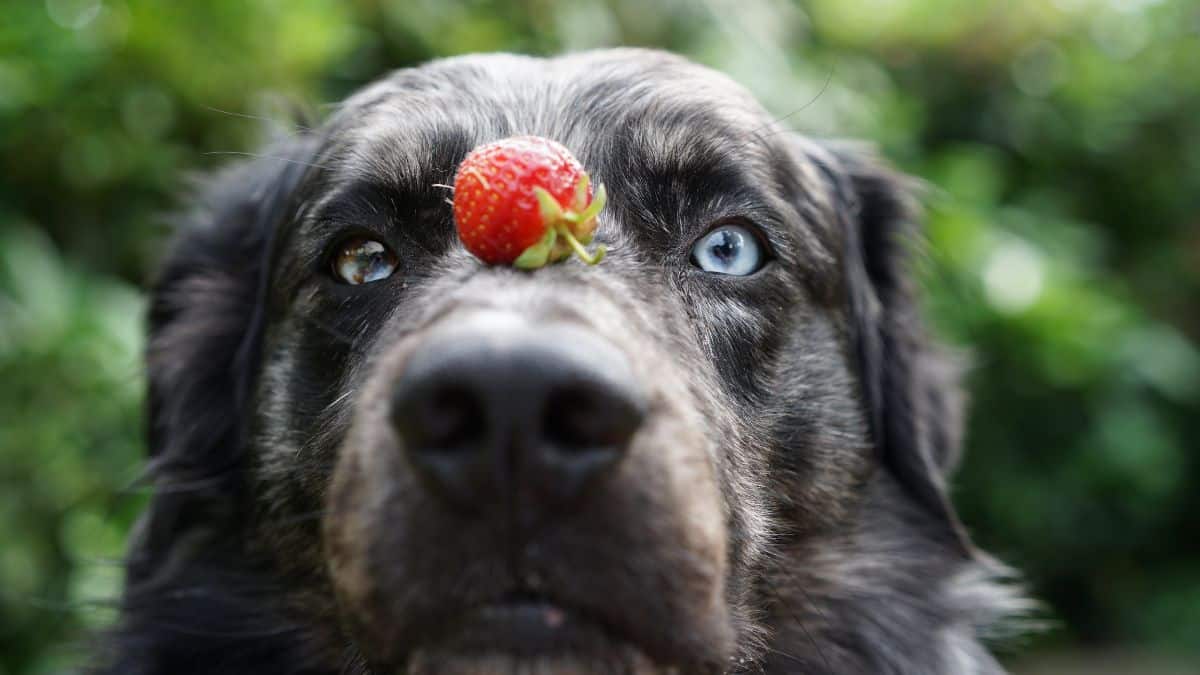
Few things say summer like a bowl of fresh strawberries. Naturally, many dog owners wonder if it’s safe to share this sweet treat with their canine companions. After all, dogs seem eager to try whatever we’re eating.
The good news is that strawberries can be a safe, healthy snack for most dogs, as long as they’re served properly and in moderation. Like many fruits, strawberries offer valuable vitamins, fibre, and antioxidants, but they also carry some risks if overfed or prepared incorrectly.
In this guide, we’ll cover everything you need to know about feeding strawberries to dogs, including the benefits, potential risks, safe serving sizes, and how to prepare them properly. You’ll also find answers to the most common questions owners ask before letting their dogs enjoy this popular fruit.
Quick Answer: Can dogs eat strawberries?
Yes, dogs can eat strawberries safely in moderation. Fresh, properly prepared strawberries are packed with vitamins, antioxidants and fibre that can benefit your dog’s health. Always wash thoroughly, remove stems and leaves, and cut into small pieces to prevent choking. Avoid giving canned, sweetened, or processed strawberries, and monitor your dog for any signs of digestive upset or allergies after introducing them.
Are Strawberries Safe for Dogs?

In most cases, yes — fresh strawberries are safe for healthy dogs when fed as an occasional treat. Unlike some fruits that are toxic to dogs (such as grapes or cherries), strawberries contain no compounds that are inherently poisonous.
Strawberries are naturally low in calories and fat, making them a healthy alternative to many shop-bought dog treats. However, like all human foods, they must be served correctly and in sensible amounts to avoid potential problems.
Key safety points:
For most dogs, small portions of properly prepared strawberries can be a safe and enjoyable way to add variety to their diet. But as with any new food, it’s important to introduce strawberries gradually and monitor your dog’s reaction.
Dogs with certain health conditions may need extra caution:
- Diabetes: due to natural sugar content
- Obesity or weight concerns: strawberries are low-calorie, but sugar still adds up
- Sensitive stomachs: some dogs may experience mild digestive upset

Quick Tip
When in doubt, speak to your vet before introducing new foods to your dog’s diet — especially if your dog has an existing medical condition.
Health Benefits of Strawberries for Dogs
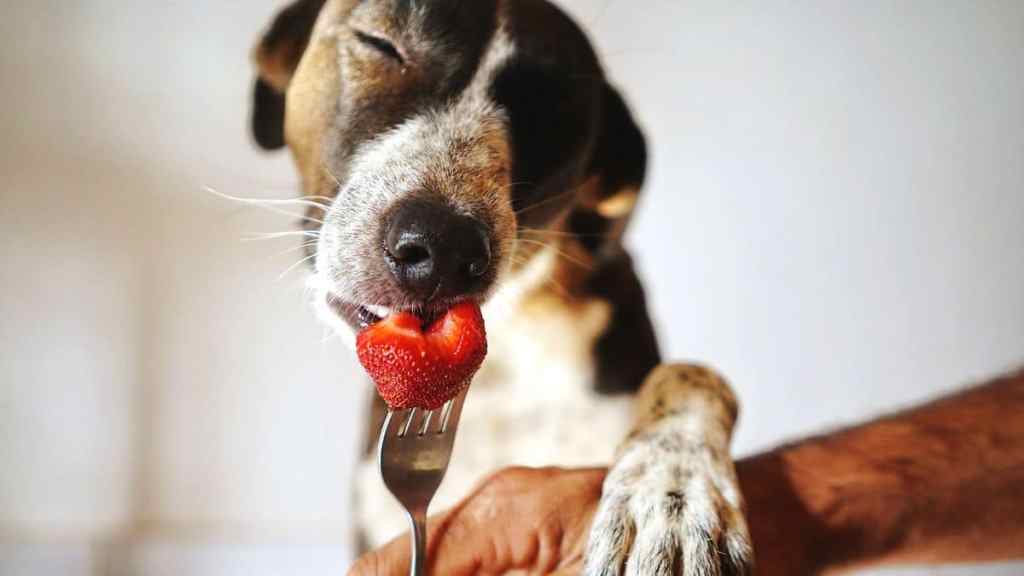
When fed in moderation, strawberries offer several genuine health benefits for dogs. Packed with important nutrients, they can complement a balanced diet and provide a tasty way to deliver extra vitamins and antioxidants.
Key nutritional benefits include:
Strawberries also have a high water content, which can help support hydration, particularly in warmer weather. For dogs who are reluctant to drink enough water, fruits like strawberries may give a small hydration boost alongside their regular water intake.
In summary:
However, it’s important to remember that strawberries are a treat, not a dietary staple. They’re not a substitute for a complete, nutritionally balanced dog food, but they can provide valuable nutrients as part of a varied and carefully managed diet.
Risks of Feeding Strawberries to Dogs

While strawberries are generally safe for most dogs, there are still a few important risks to consider. Understanding these will help you offer strawberries safely without accidentally causing health issues.
⚠️ 1. Natural Sugar Content
Strawberries, like most fruits, contain natural sugars. Although much lower than processed sweets, too much fruit can still contribute to:
- Weight gain
- Dental issues (plaque, tartar build-up)
- Worsening of diabetes or insulin resistance
Who needs extra caution:
- Dogs prone to weight gain
- Dogs with diabetes or blood sugar disorders
- Senior dogs with metabolic issues
⚠️ 2. Digestive Upset
Some dogs may have mild intolerance to fruits, leading to:
- Diarrhoea
- Vomiting
- Gas or bloating
- Changes in stool consistency
Overfeeding strawberries — even to healthy dogs — can easily cause loose stools. Always start with small amounts and monitor your dog closely.
⚠️ 3. Choking Hazard
Whole strawberries can be difficult for smaller dogs to chew safely. The size and firmness of a strawberry can increase the risk of choking or intestinal blockage if swallowed whole.
Solution:
Always slice strawberries into small, bite-sized pieces suited to your dog’s size.
⚠️ 4. Potential Allergic Reactions
Though rare, some dogs may have sensitivities or develop mild allergies to strawberries. Symptoms may include:
- Itching or scratching
- Skin redness or hives
- Ear infections
- Paw licking
If you notice any unusual symptoms after feeding strawberries, stop immediately and consult your vet.
⚠️ 5. Dangerous Forms of Strawberries
The biggest risk comes not from the fresh fruit itself, but from processed forms:
- Canned strawberries: often packed in sugary syrup.
- Strawberry yoghurt: usually contains added sugar or artificial sweeteners like xylitol.
- Strawberry ice cream or desserts: typically high in sugar, lactose, and may contain other unsafe ingredients.
Important:
Xylitol (sometimes found in sugar-free yoghurts or desserts) is extremely toxic to dogs, even in small amounts.
How Much Strawberry Is Safe?

Even healthy treats like strawberries should only make up a small part of your dog’s diet. The general rule is that treats should account for no more than 10% of your dog’s daily calorie intake.
Strawberries contain natural sugar, so portion control is key. Serving sizes depend on your dog’s size, weight, and activity level. Here’s a simple guide:
|
Dog Size |
Approximate Safe Portion |
|---|---|
|
Extra-small (under 5kg) |
1–2 small slices |
|
Small (5–10kg) |
2–3 slices |
|
Medium (10–20kg) |
4–5 slices |
|
Large (20–40kg) |
Small handful |
|
Extra-large (over 40kg) |
Large handful |
Safe feeding tips:
- Start small, especially when introducing strawberries for the first time.
- Monitor for any signs of digestive upset or allergic reaction.
- Spread portions across the week rather than offering large amounts in one sitting.
- Never replace your dog’s regular meals with fruit or other treats.
For puppies, seniors, or dogs with underlying health conditions, speak to your vet first before introducing new foods — even healthy ones.
How to Prepare Strawberries for Dogs
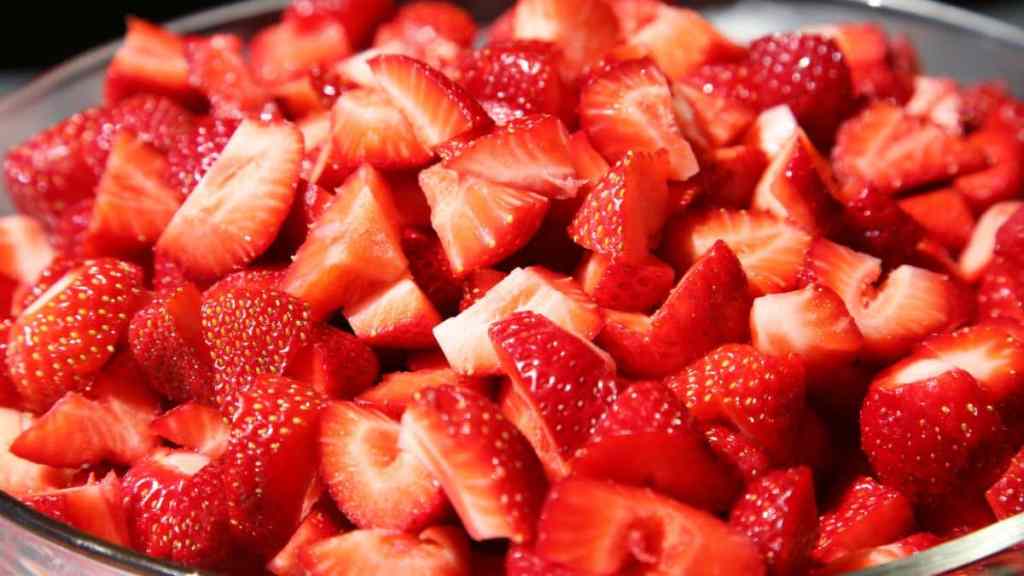
Proper preparation is one of the most important steps in safely offering strawberries to your dog. While the fruit itself is safe, how you serve it makes all the difference. Here’s how to prepare strawberries safely:
✅ 1. Wash Thoroughly
- Always rinse strawberries well under cold running water.
- Washing helps remove dirt, pesticides, and any residual chemicals from farming or transport.
✅ 2. Remove Stems and Leaves
- The green tops aren’t toxic but can be tough to digest.
- Leaves and stems may cause stomach upset or contribute to choking if swallowed.
✅ 3. Cut Into Small Pieces
- Slice strawberries into small, bite-sized pieces appropriate for your dog’s size.
- This reduces choking risk and makes digestion easier.
- For very small breeds or puppies, you can dice or mash the fruit.
✅ 4. Serve Fresh or Frozen
- Fresh strawberries are ideal for most dogs.
- You can also freeze small pieces for a refreshing treat on warm days.
- Frozen strawberries work well stuffed into food puzzle toys or lick mats for mental enrichment.
✅ 5. Avoid Additives
- Never serve strawberries with added sugar, chocolate, whipped cream, or syrup.
- Don’t mix with artificial sweeteners, especially xylitol.
✅ 6. Optional: Homemade Strawberry Dog Treats
- Blend small amounts of strawberries with plain, unsweetened yoghurt (xylitol-free) and freeze into silicone moulds.
- Combine with dog-safe fruits like blueberries or bananas for variety.
Proper preparation keeps strawberries both safe and enjoyable, turning this simple fruit into a low-risk, high-reward treat for most dogs.
When to Avoid Strawberries

Although strawberries are safe for most dogs, there are certain situations where it’s best to avoid them entirely, or at least proceed with caution.
❌ 1. Dogs With Diabetes
Strawberries contain natural sugars that can spike blood glucose levels. For diabetic dogs or those with blood sugar sensitivities, even small portions of fruit may cause complications.
❌ 2. Overweight or Obese Dogs
While low in fat, strawberries still contribute calories and sugar. If your dog is overweight, adding any extra treats — including fruit — may slow weight loss efforts.
❌ 3. Dogs With Sensitive Stomachs
Some dogs are naturally prone to digestive upset. If your dog regularly experiences diarrhoea, gas, or loose stools, avoid introducing fruits like strawberries without first speaking to your vet.
❌ 4. Dogs With Food Allergies or Skin Conditions
In rare cases, strawberries may worsen existing allergies or cause mild itching, skin irritation, or ear infections, particularly in dogs already prone to environmental or food sensitivities.
❌ 5. Puppies Under 12 Weeks Old
Young puppies have immature digestive systems. It’s safest to wait until your puppy is established on a stable, balanced diet before introducing any new treats or extras.
Signs Your Dog Didn’t Tolerate Strawberries Well
Even when fed correctly, some dogs may simply not tolerate strawberries. If your dog has a sensitivity or eats too many, you may see a variety of warning signs. Recognising these early allows you to act quickly and avoid more serious issues.
Often, mild symptoms will appear within a few hours of eating strawberries. In most cases, they settle on their own once the fruit has passed through the digestive system. However, severe or prolonged symptoms always warrant veterinary attention.
Early warning signs to watch for:
If your dog has eaten too many strawberries, mild digestive upset is the most common issue. Reducing portions or avoiding strawberries altogether may solve the problem.
More serious symptoms (call your vet immediately):
Always err on the side of caution if you’re unsure. While strawberries are generally low-risk, every dog is different. Monitoring your dog closely after introducing any new food is the safest way to ensure it agrees with them.
Related Berries: What Else Can Dogs Eat?
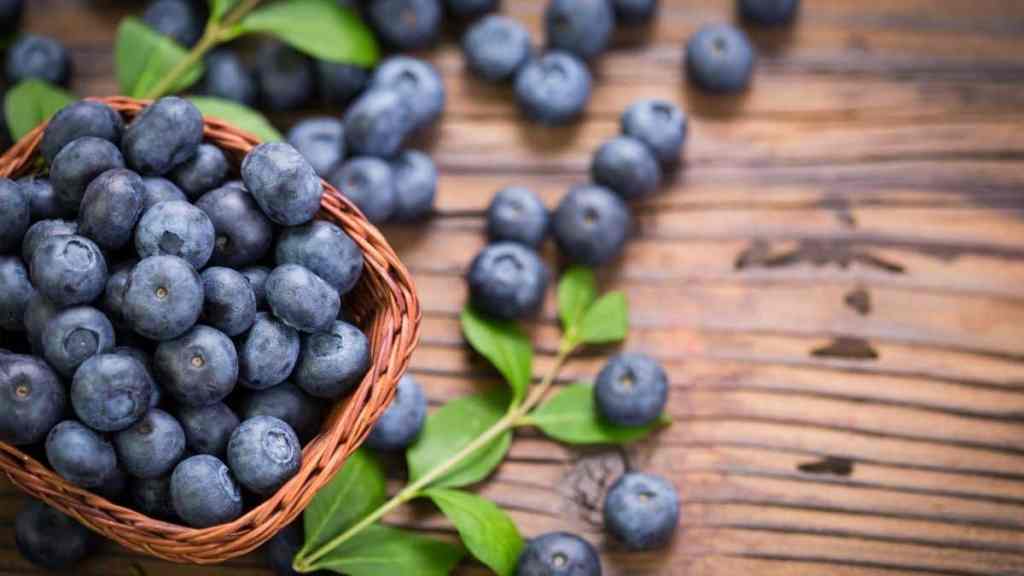
Strawberries aren’t the only berries that tempt curious dogs. Many fruits in the berry family are safe, but some can be dangerous. If you’re considering offering other types of berries, it’s important to know which are suitable and which to avoid.
Safe Berries for Dogs
✅ Blueberries
- Excellent source of antioxidants, fibre, and vitamins.
- Low in calories and safe for most dogs when served fresh or frozen.
✅ Raspberries
- Safe in small amounts.
- Naturally contain tiny amounts of xylitol, so portions should be limited.
✅ Blackberries
- Rich in fibre and vitamins.
- Safe in moderation for most dogs.
✅ Cranberries
- Safe fresh or dried (unsweetened only).
- High acidity may upset some dogs’ stomachs if fed in large amounts.
Berries to Avoid
❌ Grapes (and raisins)
- Highly toxic to dogs, even in small amounts.
- Can cause kidney failure.
❌ Cherries
- Flesh is technically safe, but the pits contain cyanide and present a serious choking hazard.
- Best avoided entirely.
❌ Juniper berries and wild berries
- Many wild-growing berries can be toxic.
- Never let your dog eat unknown berries when out walking.
In all cases, even safe berries should be introduced gradually, prepared properly, and offered in moderation. Treats should always complement your dog’s regular, balanced diet — not replace it.
FAQs: Common Questions About Dogs and Strawberries
Final Thoughts
Strawberries can be a healthy, tasty treat for most dogs when fed in moderation and prepared properly. Packed with vitamins, antioxidants, fibre and hydration, they offer real nutritional benefits while adding variety to your dog’s snack options.
But as with any treat, portion control is essential. Too many strawberries can lead to digestive upset or contribute to unwanted weight gain, particularly for dogs with underlying health conditions like diabetes or sensitive stomachs. Always introduce new foods slowly, observe your dog’s reaction, and speak to your vet if you have any concerns.
By following a few simple guidelines — washing thoroughly, removing stems, cutting into small pieces, and limiting portions — you can safely let your dog enjoy the occasional strawberry without worry.