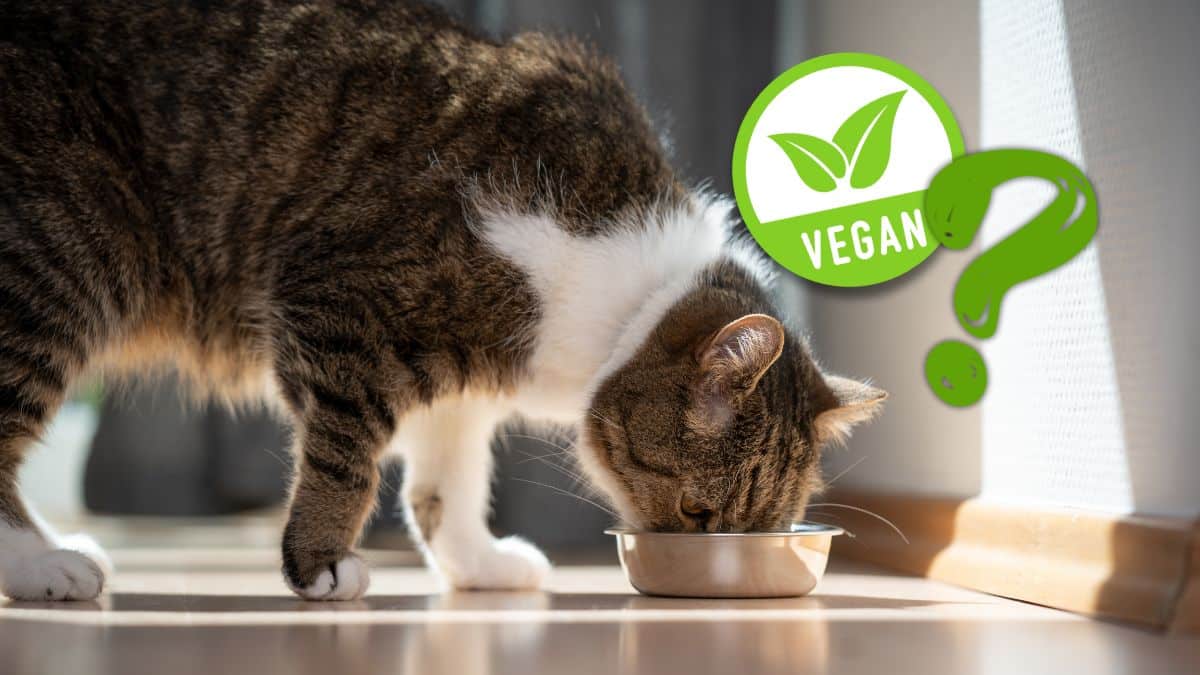
As a pet parent who cares deeply about animals and the planet, it’s only natural to wonder — can my cat thrive on a vegan diet, just like I do?
Cats are obligate carnivores, meaning their bodies are biologically designed to thrive on nutrients found in animal flesh. While vegan diets exist for cats, they come with serious risks and require expert formulation to avoid harm.
This guide unpacks the science, ethics, and practicalities of vegan cat food — with full respect to your values, and your cat’s health.
What Does ‘Obligate Carnivore’ Actually Mean?
Cats are obligate carnivores, which means their bodies are biologically designed to thrive on meat — they can’t just survive on plant-based foods alone. Unlike dogs, who are omnivores and can adapt to a wide variety of diets, cats evolved to hunt small animals, consuming only animal tissues. Their metabolism, digestion, teeth, and overall biology have all adapted for a meat-based diet.
Key points:

Quick Tip
Most Just because a cat can survive on a diet doesn’t mean they’ll thrive — and the goal of any pet parent should be long-term health and wellbeing. need a toilet break 15 minutes after eating – establish a consistent schedule!
Are Vegan Diets for Cats Ever Safe?

The short answer? It’s complicated.
While vegan diets for cats do exist and are technically possible, they come with significant risks. Creating a balanced, nutritionally complete vegan diet for cats is a challenging feat. It’s not just about taking out the meat; it requires careful formulation of synthetic nutrients and constant quality checks to ensure everything your cat needs is in the right amounts.
⚠️ Here’s the risk:
Even small deficiencies in the essential nutrients cats need can cause serious health issues:
- Heart problems: The most notable condition associated with poor diet is dilated cardiomyopathy, a life-threatening heart condition.
- Blindness: Lack of taurine and other essential nutrients can lead to permanent vision loss.
- Weakened immune system: Nutritional gaps can compromise your cat’s ability to fight off infections and illness.
- Growth issues in kittens: Kittens are at high risk for growth and development issues, particularly during their critical early stages of life.
Most importantly, vegan diets often don’t provide the bioavailable forms of nutrients cats need (like taurine, arachidonic acid, and vitamin A), meaning they might not be absorbed by your cat’s body in the way they would from animal tissue.
That’s why most UK vets and pet nutritionists strongly advise against vegan diets for cats, except under expert veterinary supervision. Regular blood tests and careful monitoring are essential to ensure your cat is getting everything they need for optimal health.
Quick Tip
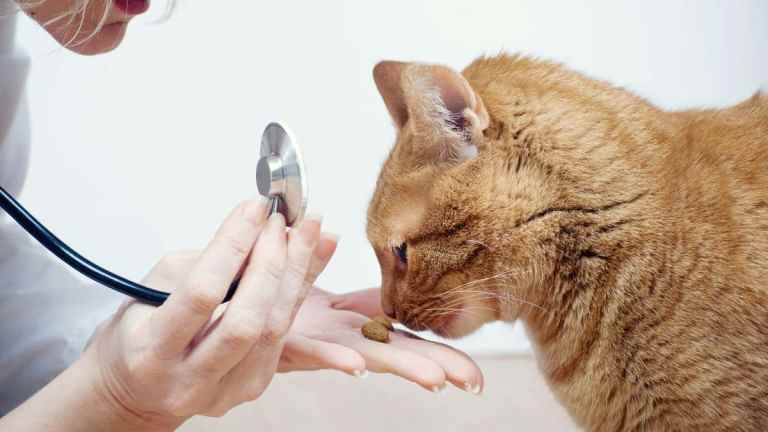
Before considering any major dietary change, always consult with a vet who has experience in feline nutrition. Cats are individuals, and their dietary needs can vary depending on age, breed, and health conditions.
Do Any Vegan Cat Foods Meet UK Standards?
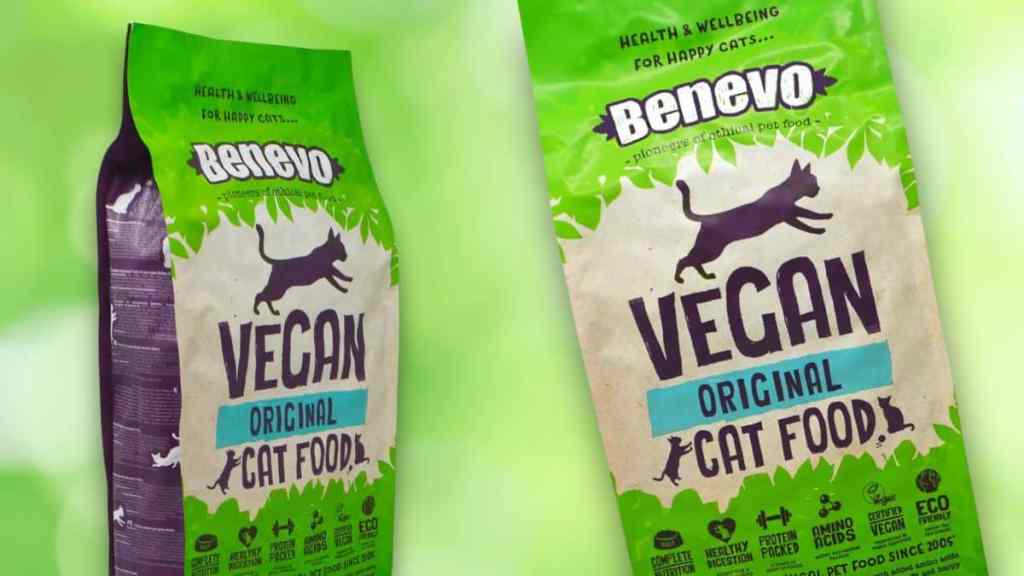
Some vegan cat foods do claim to meet complete and balanced standards, as set by FEDIAF (the European Pet Food Industry Federation). However, just because a food product is labelled “complete” doesn’t mean it’s entirely safe or nutritionally appropriate for your cat.
⚠️ The key concerns:
- Not all products are independently tested: Even if a product claims to meet FEDIAF standards, some haven’t been thoroughly independently tested for long-term nutritional adequacy in cats.
- Cats may refuse to eat them: Vegan diets may not be as palatable to cats, who are instinctively driven to eat animal protein.
- Limited long-term studies: There’s still a lack of long-term studies on the effects of vegan diets on cats, which means the risks of feeding them aren’t fully understood.
It’s important to consult a vet with expertise in feline nutrition before switching your cat to a vegan diet. Regular check-ups are crucial — monitor your cat’s weight, coat condition, behaviour, and stool regularly to make sure they’re thriving and not developing any deficiencies.
Quick Tip
While some brands might offer “complete” vegan cat food, it’s always best to ask your vet for recommendations and make informed decisions based on your cat’s unique needs.
Why This Topic Matters: Ethics vs Biology
As a pet parent, you care deeply about your cat’s well-being, and it’s natural to question whether feeding meat aligns with your ethical beliefs. You’re not alone — more and more cat owners are grappling with the dilemma of whether it’s ethical to feed meat to an animal, especially when you’re mindful of your environmental footprint.
But this topic brings up a real challenge:
Ultimately, there’s no easy answer — just a need to carefully weigh what’s best for both your values and your cat’s health. It’s about finding a balance that respects both your pet’s nutritional needs and your personal beliefs.
Are There Any ‘Middle Ground’ Options?
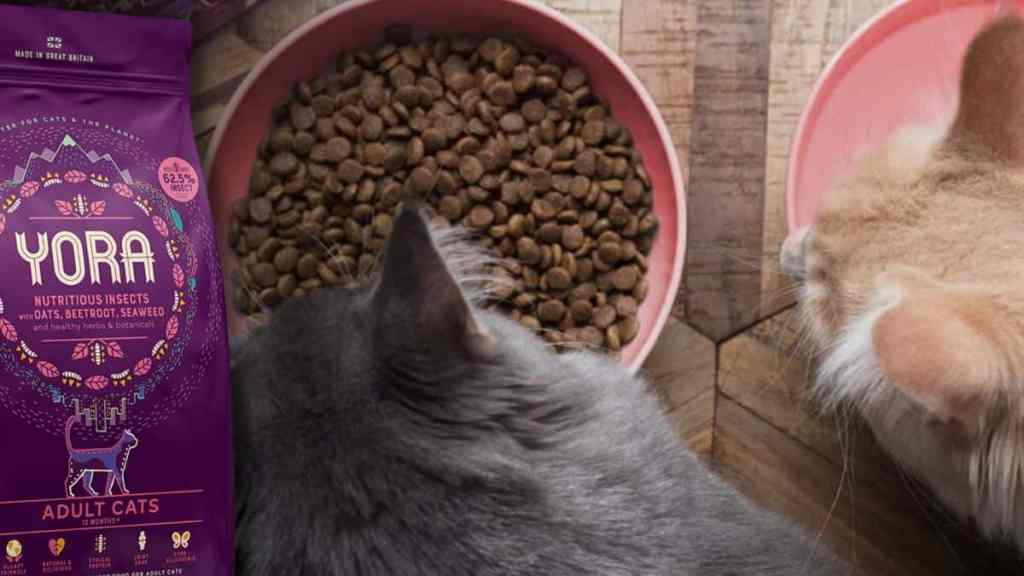
Yes, there are ways to reduce your environmental footprint without compromising your cat’s health. If you’re looking for a more sustainable approach, consider these middle ground options:
✅ Insect-Based Cat Foods
A growing number of brands are offering insect-based diets for cats, and for good reason:
- Highly digestible: Insects provide an excellent source of protein that cats can easily absorb.
- Environmentally friendly: Insects have a much smaller environmental footprint compared to traditional livestock, making them a great option for eco-conscious pet owners.
- Natural animal protein: Insects, like black soldier fly larvae, offer a complete source of essential amino acids, much like meat from traditional animal sources.
Brands like Yora and Wainwrights offer complete insect-based foods in the UK, providing all the necessary nutrients without the ethical dilemma of meat production.
✅ High-Welfare or Sustainable Meat Brands
If vegan options don’t sit well with you but you still want to make a difference, consider these alternatives:
- Choose meat from ethical UK farms: Opt for meat products from farms with strong animal welfare standards. These farms prioritise humane treatment and sustainable practices, ensuring that the animals are raised in environments that align with your values.
- Look for organic, free-range, or sustainably sourced proteins: Many brands offer high-quality meat that comes from animals raised under better conditions, reducing the environmental impact.
By making informed decisions about where your cat’s food comes from, you can support your values while ensuring your cat gets the nutrition they need for a healthy, happy life.
What If I’ve Already Been Feeding Vegan Food to My Cat?

If your cat has been on a vegan diet for a while, it’s important to take the right steps to ensure their health isn’t compromised. Here’s what to do:
- Book a vet check-up as soon as possible: Your vet can perform a full health assessment, including essential bloodwork, to check for any nutritional deficiencies.
• Ask for a blood panel: Ensure the test includes taurine, B12, and kidney function, as these are critical for your cat’s health.
• Monitor for signs of nutrient deficiency, including:- Lethargy
- Vision problems
- Poor coat condition
- Muscle weakness
Quick Tip
If your vet raises concerns, consider introducing meat-based or insect-based food to your cat’s diet to help support their recovery. It’s better to act early to prevent lasting health issues.
What About Dogs? Can They Be Vegan Instead?
Yes, dogs are omnivores, meaning they can thrive on a plant-based diet with proper care. Unlike cats, dogs can digest and process plant-based foods without any issues, provided the diet is properly formulated and supplemented.
Can dogs thrive on vegan diets?
Yes, many dogs can live a healthy life on a vegan diet with proper planning, regular vet check-ups, and the right supplementation.
If you’re considering a plant-based diet for your dog, it’s essential to provide them with balanced meals that meet their nutritional needs. Always consult with your vet to ensure they’re getting the right balance.
Quick Recap
|
❓ Question |
✅ Answer |
|
Can cats be vegan safely? |
Only under expert supervision, with a carefully formulated diet and regular vet monitoring. |
|
Are vegan cat foods available in the UK? |
Yes, but their long-term safety and effectiveness are still debated by experts. |
|
What are the risks of a vegan diet? |
Nutritional deficiencies, heart issues (e.g., dilated cardiomyopathy), and potential blindness. |
|
Are there alternatives? |
Insect-based food and high-welfare, sustainably sourced meats provide good alternatives. |
Final Thoughts
So, can cats be vegan?
Biologically, it’s highly risky. While synthetic vegan diets do exist, they require expert formulation and constant monitoring — and even then, they may not be the best choice for most cats.
As a pet parent, your love for animals and commitment to their wellbeing is clear. The best way to balance your ethics with your cat’s health is to respect their unique biology — even if it’s tough.
There are alternatives: consider insect-based protein or high-welfare, sustainable meats, or find ways to improve your environmental footprint elsewhere. When it comes to your cat’s health, science must lead the way.