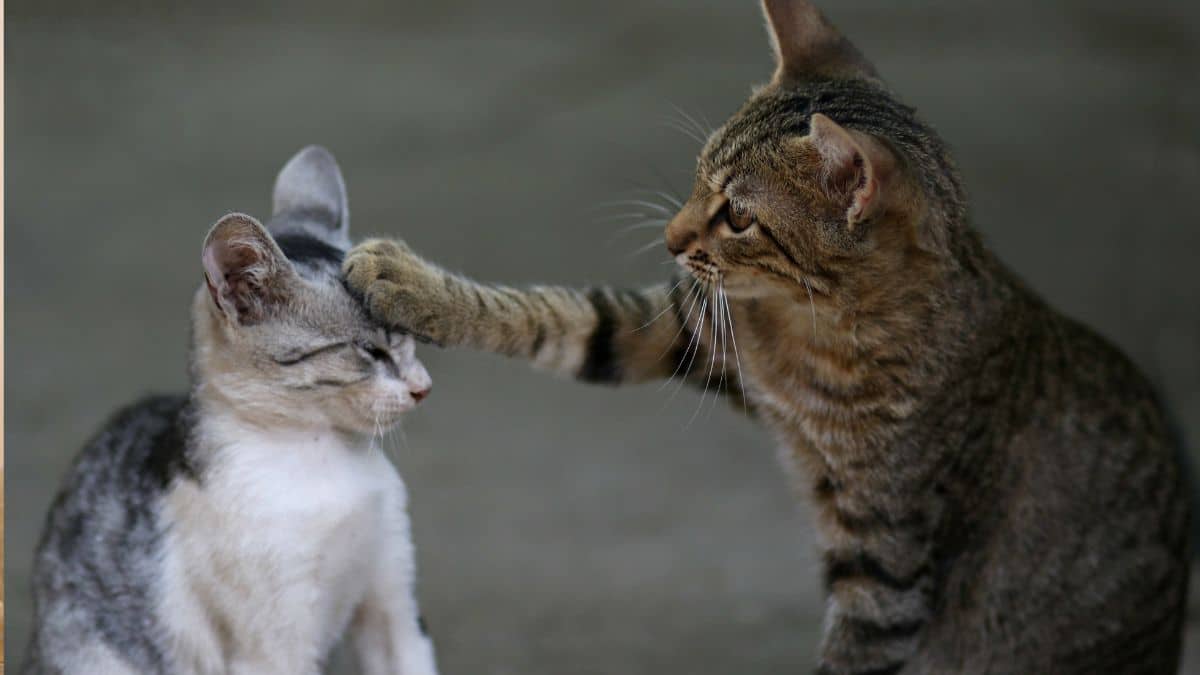
Adding a second cat to your home is a big (and exciting!) step — but for your current cat, it might feel more like an invasion than an upgrade. Cats are creatures of habit and territory, so introducing a new feline friend the wrong way can lead to stress, spats, or full-blown fur-flying drama.
But don’t panic — with the right approach, you can help both cats feel safe, calm, and in control every step of the way. Whether you’re adding a kitten or an adult cat to the mix, this guide walks you through how to do it the FluffPost way: gently, gradually, and with each cat’s comfort at heart.
Yes, most cats can get along — even if they don’t become instant besties. The secret? Slow, scent-first introductions and letting them set the pace.
Before the Introduction: Set the Stage for Success

Bringing a new cat into your home starts well before they meet your current one. Creating a calm, stress-free environment from day one makes all the difference — and it begins with setting up separate spaces and removing the pressure to share.
🛏️ Create a Private Safe Room for the New Cat
Start your new cat off in a quiet, enclosed room — somewhere your current cat doesn’t spend too much time. This becomes their personal base camp while they adjust to the new environment. Make sure this space includes:
- 🐾 A cosy bed or hideaway
- 🧴 Food and water bowls (separate from each other)
- 🧻 Litter tray
- 🧸 Toys and scratchers
- 🕳️ Covered or high-up hiding spots

Quick Tip
Plug in a pheromone diffuser like Feliway in both the safe room and communal areas to help ease anxiety and promote a sense of calm.
🔁 Duplicate the Essentials
Sharing might come later — but not at this stage. To prevent stress and resource guarding, make sure each cat has access to their own essentials:
- One litter tray per cat, plus one extra (e.g. for 2 cats, you’ll need 3)
- Separate feeding and water stations in different areas
- Multiple beds, hiding places, and perches
- More than one scratching post (horizontal and vertical options are ideal)
Even if they’re not interacting yet, this helps reduce territorial tension and keeps the peace.
Step 1: Introduce by Scent First
Before your cats ever lock eyes, they should get to know each other through their most trusted sense — smell. Scent swapping is the cornerstone of a successful feline introduction, helping both cats feel less like strangers and more like familiar neighbours.
👃 Why Scent Matters
Cats rely heavily on scent to identify friends, foes, and territory. By introducing each other’s scent slowly, you create a feeling of familiarity long before any face-to-face meeting — reducing anxiety and increasing the chance of a positive connection.
🧺 How to Scent Swap
Start this process a few days after your new cat has settled into their safe room:
- Swap blankets, bedding, or toys between the two cats
- Use a soft cloth to gently rub one cat’s cheeks and head, then leave it in the other’s space
- Let the new cat explore shared areas (like the hallway or living room) while your resident cat is confined, and then do the reverse
🕒 Repeat daily for several days. Look out for calm reactions — sniffing, ignoring, or relaxing near the scented item is a great sign.
⚠️ Hissing, growling, or swatting at the scented object means you need to slow the pace. Always follow the more cautious cat’s lead.
Step 2: Controlled Visual Introductions
Let them see, not touch — for now.
Once both cats seem relaxed around each other’s scent, it’s time to introduce them visually — but still with a barrier in place. This step allows both cats to observe each other without the pressure of close contact, giving them space to assess and build confidence.
👀 How to Do It
Set up a safe visual intro using:
- A baby gate or pet pen
- A partially open door secured with a door stop
- Two carriers placed at a safe distance (ideal for short sessions)
Start with:
- Very short sessions (just 2–5 minutes)
- Positive distractions like treats or playtime on either side
- Calm observation — watch their body language closely
✅ Signs it’s going well:
- Curious staring, gentle blinking, or ignoring each other
- Sitting or lying down near the barrier
- No vocalising or puffed-up posturing
⚠️ Signs to pause or scale back:
- Growling, hissing, or intense staring
- Flattened ears or lashing tails
- Pacing or trying to bolt
Gradually increase the time and frequency of these sessions over several days. If tension rises, don’t rush — go back a step and try again later.
Quick Tip
Try feeding both cats their meals on either side of the barrier. Associating each other’s presence with something positive (like food!) helps build trust.
Step 3: Supervised Face-to-Face Meetings

Calm, short, and totally on their terms.
Now that your cats are used to each other’s scent and appearance, it’s time to let them meet — properly. But this isn’t a free-for-all. The goal here is to keep things low-pressure and positive, with close supervision at all times.
🐾 How to Do It
- Open the barrier or door and allow them to approach at their own pace
- Keep initial sessions brief — just 5–10 minutes to start
- Be present but neutral — don’t force interaction, just observe
- Have a towel, toy, or treat ready to gently redirect attention if needed
✅ Positive signs:
- Calm sniffing or ignoring
- Slow blinks or soft body language
- Parallel play or exploration
⚠️ Red flags to watch for:
- Hissing, growling, or tail puffing
- Pinned-back ears or crouched stalking
- One cat chasing or cornering the other
If tension rises, end the session immediately and go back a step. It’s better to build progress slowly than risk setting things back with a bad experience.
Quick Tip
End every session on a good note — even if it means stopping while things are still neutral. Positive endings make it more likely that the next meeting will go smoothly.
Step 4: Increase Shared Time Gradually
Slow and steady wins the whiskers.
Once your cats have shared a few peaceful, supervised sessions, it’s time to let them spend a bit more time together — still monitored, but with slightly more freedom and flexibility.
🐾 How to Do It:
- Extend their time together little by little — start with 15–20 minutes and build up
- Let them co-exist naturally without forcing interaction
- Supervise, but hang back unless you need to step in
- Continue offering treats, toys, and positive distractions
As their comfort grows, you’ll be able to relax the boundaries — but take your cue from them, not the calendar.
🛑 Still Important:
Even if things seem to be going well, both cats should always have:
- A clear escape route in case one wants out
- Separate food, litter, and sleeping areas to avoid competition
- Space to retreat and spend time alone if needed
Some cats will become best mates in days. Others take weeks (or longer). That’s totally normal — the key is to respect each cat’s pace.
Quick Tip
Don’t rush to leave them unsupervised. A sudden squabble could undo your progress — slow builds lead to stronger bonds.
What If There’s Aggression or Setbacks?

Bumps in the road are completely normal.
Even with the best prep and patience, it’s not unusual for introductions to hit a snag. A hiss here, a swat there — don’t panic. What matters is how you respond.
🐾 If things get tense:
- Go back a step — return to scent swapping or visual-only introductions
- Shorten the sessions — smaller doses can reduce overwhelm
- Distract with play or treats — parallel play helps shift focus
- Use calming tools — pheromone diffusers or relaxing music can help
Don’t force the friendship. The goal isn’t for your cats to be instant besties — it’s to help them feel safe and in control of their space.
If stress or conflict continues after several weeks, speak to a qualified feline behaviourist. A pro can assess body language and dynamics and tailor a plan to help restore harmony.
Quick Tip
Keep a journal of their interactions — noting what triggered issues or what went well can help you spot patterns and make informed tweaks.
Quick Tip Box: Troubleshooting Tense Introductions
💡 Problem: One cat is guarding food or litter
🔧 Solution: Add more resources in multiple locations so no one has to share
💡 Problem: They hiss every time they meet
🔧 Solution: Return to scent swapping and reduce visual interaction time
💡 Problem: One cat hides constantly
🔧 Solution: Provide vertical space, high-up shelves, or secluded hideouts in shared areas
💡 Problem: Chasing or swiping breaks out
🔧 Solution: Use distraction (toys, treats), separate immediately, and slow the pace
💡 Problem: Tensions seem to increase over time
🔧 Solution: Pause progress. Give both cats a break before restarting steps gradually
Final Thoughts
Introducing a new cat to your existing cat isn’t something to rush — but it doesn’t have to be stressful, either. With the right approach, most cats can learn to tolerate — or even enjoy — one another’s company.
By taking things slowly, respecting each cat’s space, and using scent, sight, and gradual exposure, you’re giving both cats the best chance of success. Even if they never become cuddle buddies, peaceful cohabitation is a win.
Be patient. Be observant. And above all, let the cats lead the pace. The reward? A calmer household and two cats that feel safe, secure, and respected. 🐾