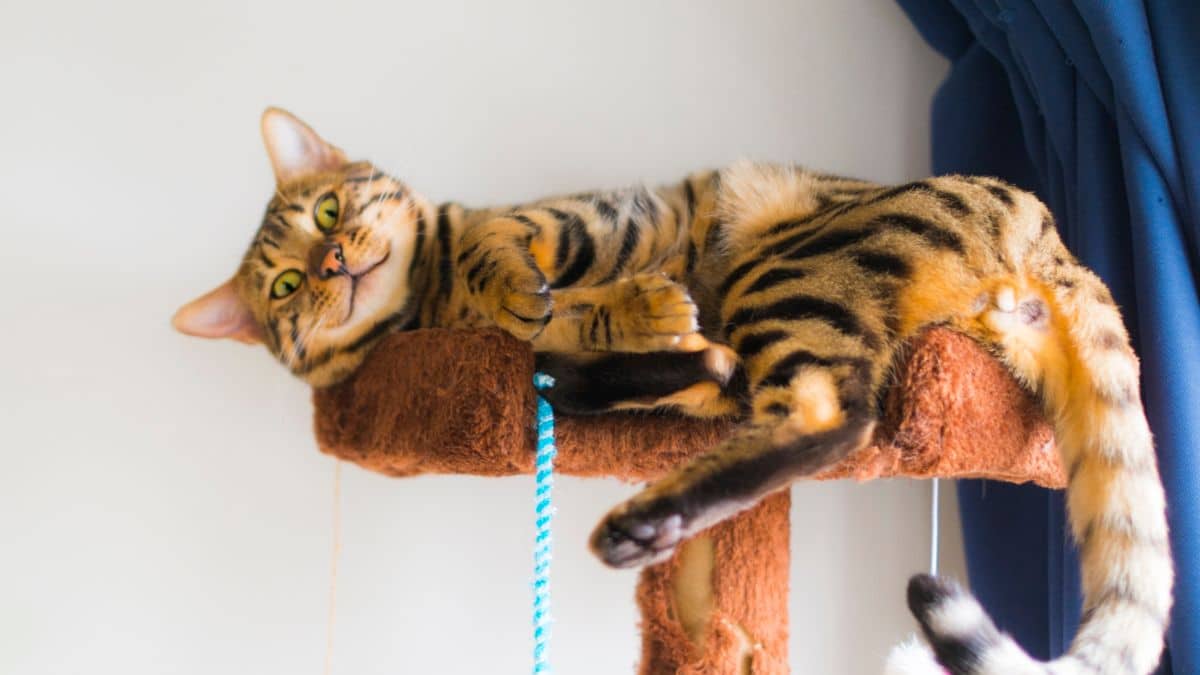
With their stunning spotted coats and wild appearance, Bengal cats have captured the hearts of UK cat lovers. But behind that exotic look lies a unique personality that isn’t for everyone. This comprehensive guide covers everything you need to know about owning a Bengal cat in the UK.

Quick Tip
Bengals need at least 30-60 minutes of active play daily — without it, they can become destructive. Consider a second cat if you’re out at work all day!
Bengal Cat at a Glance
- Origin: USA (Asian Leopard Cat x domestic cat hybrid)
- Size: Medium to large (4-7kg)
- Lifespan: 12-16 years
- Coat: Short, dense, uniquely soft “pelt”
- Temperament: Active, intelligent, vocal, affectionate
- Price in UK: £400-£1,500+ (pedigree)
Bengal Cat Temperament and Personality
Bengals are not your typical lap cat. They’re incredibly active, curious, and intelligent—traits inherited from their wild ancestors. If you’re looking for a calm, low-maintenance companion, a Bengal probably isn’t the right choice.
What Makes Bengals Unique
High energy levels: Bengals need significant daily exercise and mental stimulation. They love to climb, jump, and explore every corner of your home. Many owners describe them as “dog-like” in their playfulness and desire for interaction.
Intelligence: These cats are remarkably clever and can learn tricks, open doors, and even figure out how to turn on taps. This intelligence means they need puzzle feeders, interactive toys, and regular engagement to prevent boredom.
Vocal nature: Bengals are chatty cats. They’ll “talk” to you with a range of sounds—from chirps to yowls. If you prefer a quiet household, this might be challenging.
Water fascination: Unlike most cats, many Bengals love water. Don’t be surprised if yours joins you in the shower or plays in their water bowl!
Affectionate but on their terms: Bengals bond strongly with their families and often follow their owners around. However, they prefer interactive play to being held and cuddled.
Is a Bengal Cat Right for You?
Bengals Are Great For:
Bengals May Not Suit:

Bengal Cat Care Requirements
Exercise and Enrichment
Bengals need at least 30-60 minutes of active play daily. This isn’t optional—under-stimulated Bengals often develop behavioural problems like destructive scratching, excessive vocalisation, or aggression.
Invest in:
- Tall cat trees and climbing shelves
- Interactive toys (feather wands, laser pointers)
- Puzzle feeders to engage their hunting instincts
- A secure catio or cat-proofed garden if possible
- Rotating toy selection to prevent boredom
Grooming
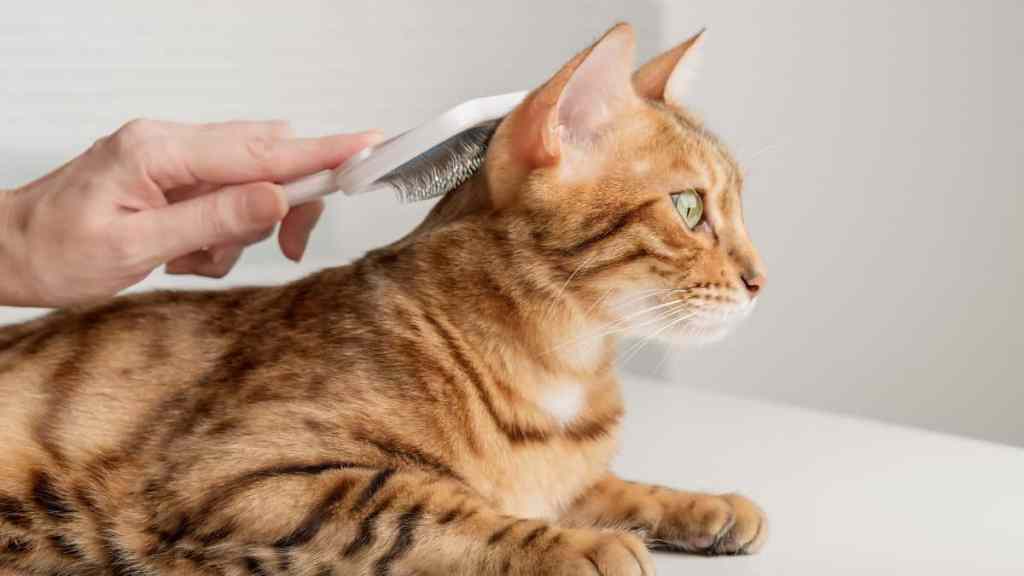
Good news—Bengals have low grooming needs. Their short, dense coat rarely mats and has a distinctive “pelt” texture that feels almost like rabbit fur. A weekly brush removes loose hair and keeps their coat gleaming. They shed less than many other breeds.
Diet and Nutrition
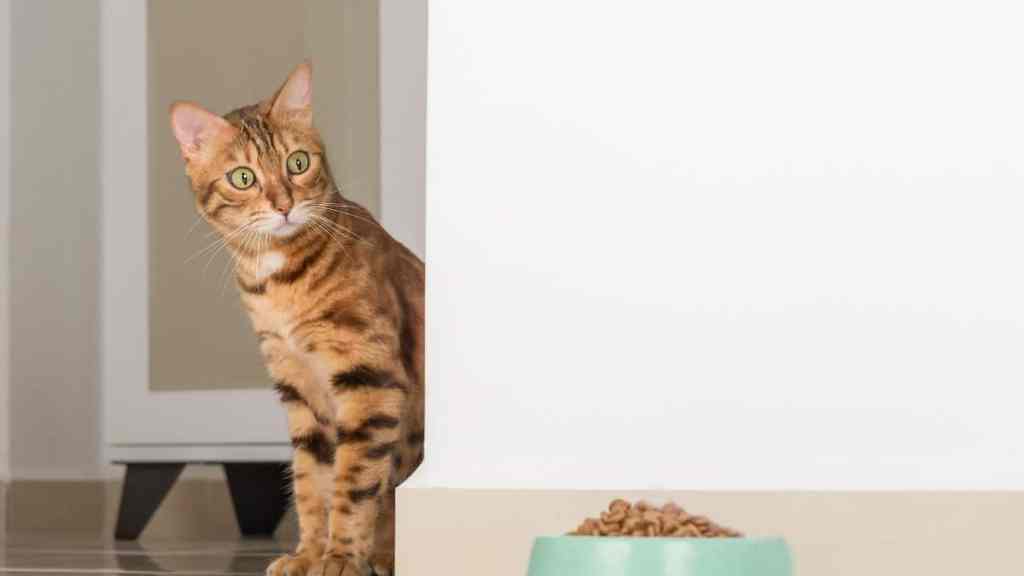
Bengals do well on high-quality, protein-rich cat food. Many owners feed a mix of premium wet food and quality dry kibble. Some opt for raw feeding, though this requires careful research and preparation.
Due to their active nature, Bengals can eat more than sedentary breeds without gaining weight. However, monitor their body condition and adjust portions accordingly.
Bengal Cat Health Considerations
Bengals are generally healthy cats, but like all breeds, they’re prone to certain conditions:
- Hypertrophic Cardiomyopathy (HCM): A heart condition that can affect Bengals. Reputable breeders screen for this.
- Progressive Retinal Atrophy (PRA-b): An inherited eye condition causing blindness. DNA testing is available.
- Pyruvate Kinase Deficiency (PK Def): A blood disorder. Again, responsible breeders test for this.
- Patellar Luxation: Kneecap dislocation, more common in some lines.
- Sensitive stomachs: Some Bengals have digestive sensitivities requiring dietary management.
Always choose a breeder who conducts health testing and can provide documentation. This significantly reduces the risk of inherited conditions.
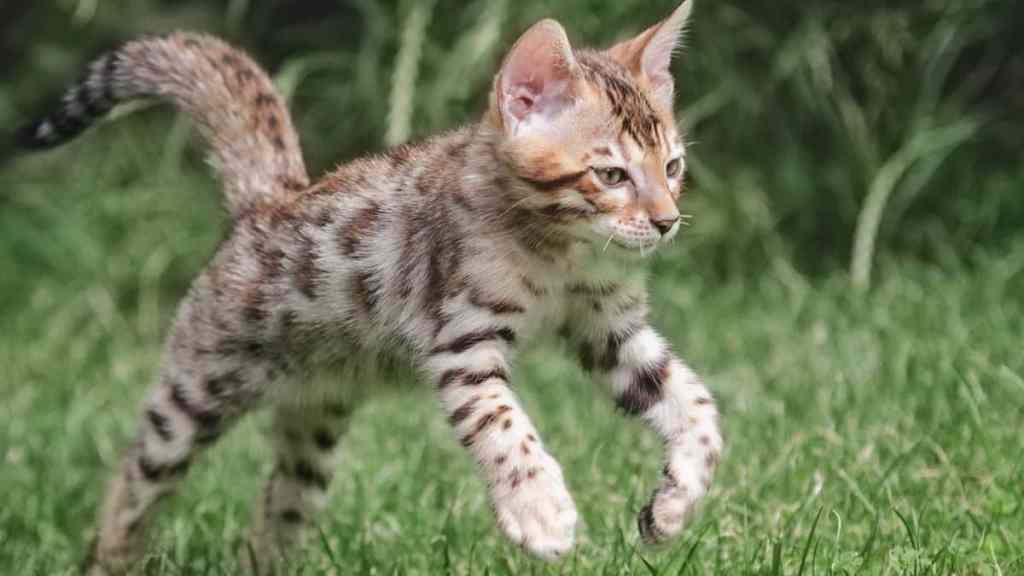
Buying a Bengal Cat in the UK
Finding a Reputable Breeder
The Bengal cat’s popularity unfortunately means unscrupulous breeders exist. To find a responsible breeder:
What to Expect to Pay
Bengal kittens in the UK typically cost:
Be wary of “bargain” Bengals—extremely low prices often indicate poor breeding practices, lack of health testing, or kitten farms.
Bengal Cat Rescue
Consider adopting a Bengal from rescue. Many end up in shelters because owners underestimated their needs. Organisations like Bengal Cat Club Rescue and general cat rescues sometimes have Bengals seeking homes.

Living with a Bengal Cat
Indoor vs Outdoor
Most Bengal breeders and experts recommend keeping Bengals as indoor cats or providing secure outdoor access via a catio. Their striking appearance and friendly nature make them targets for theft, and their curiosity can lead them into dangerous situations.
If keeping indoors, you must compensate with extensive enrichment. A bored Bengal is a destructive Bengal.
Bengals and Other Pets
Bengals generally get along well with other cats and cat-friendly dogs, especially if introduced properly. Their high prey drive means they shouldn’t be trusted with small animals like hamsters, birds, or rabbits.
Having a second cat (Bengal or otherwise) can help meet their social needs when you’re not available.
Training Your Bengal
Bengals are highly trainable and often enjoy learning tricks. Many can be taught to fetch, walk on a lead, and respond to commands. Clicker training works particularly well with this breed. Training sessions also provide excellent mental stimulation.
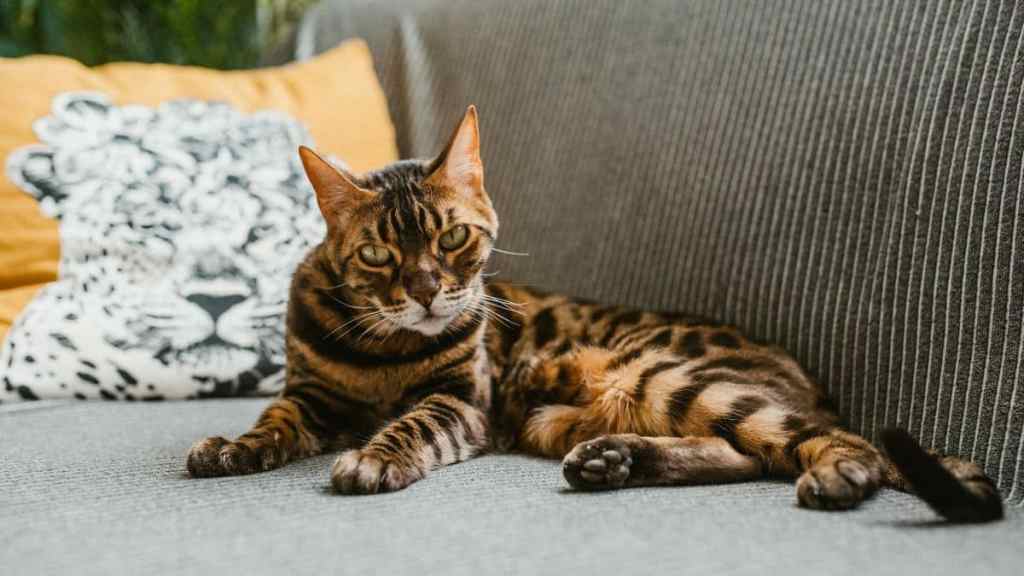
Bengal Cat Coat Patterns and Colours
Bengals come in several stunning patterns and colours:
Patterns:
- Spotted: Random spots resembling a leopard
- Rosetted: Two-toned spots with darker outlines (most prized)
- Marbled: Swirling patterns similar to marble
Colours:
- Brown: The classic Bengal colour—golden/tawny background with black/brown markings
- Snow: Cream/ivory background with various point colours (seal lynx, seal mink, seal sepia)
- Silver: Pale silver background with dark markings
- Charcoal: Darker colouration with a distinctive “mask”
- Blue: Steel grey colouration (rarer)
Many Bengals also have “glitter”—a sparkling sheen to their coat caused by hollow hair shafts that catch the light beautifully.
Frequently Asked Questions
Final Thoughts
Bengal cats are extraordinary companions—beautiful, intelligent, and endlessly entertaining. But they demand more time, energy, and commitment than the average domestic cat. Before bringing a Bengal into your home, honestly assess whether you can meet their needs.
If you’re prepared for the challenge, a Bengal will reward you with years of love, laughter, and the privilege of sharing your life with one of the most stunning cats in the world.
For more breed information, explore our guides to other popular UK cat breeds or learn about understanding cat body language.
Explore more: Compare Bengals to other breeds in our Ragdoll vs British Shorthair guide, or learn about understanding cat body language.