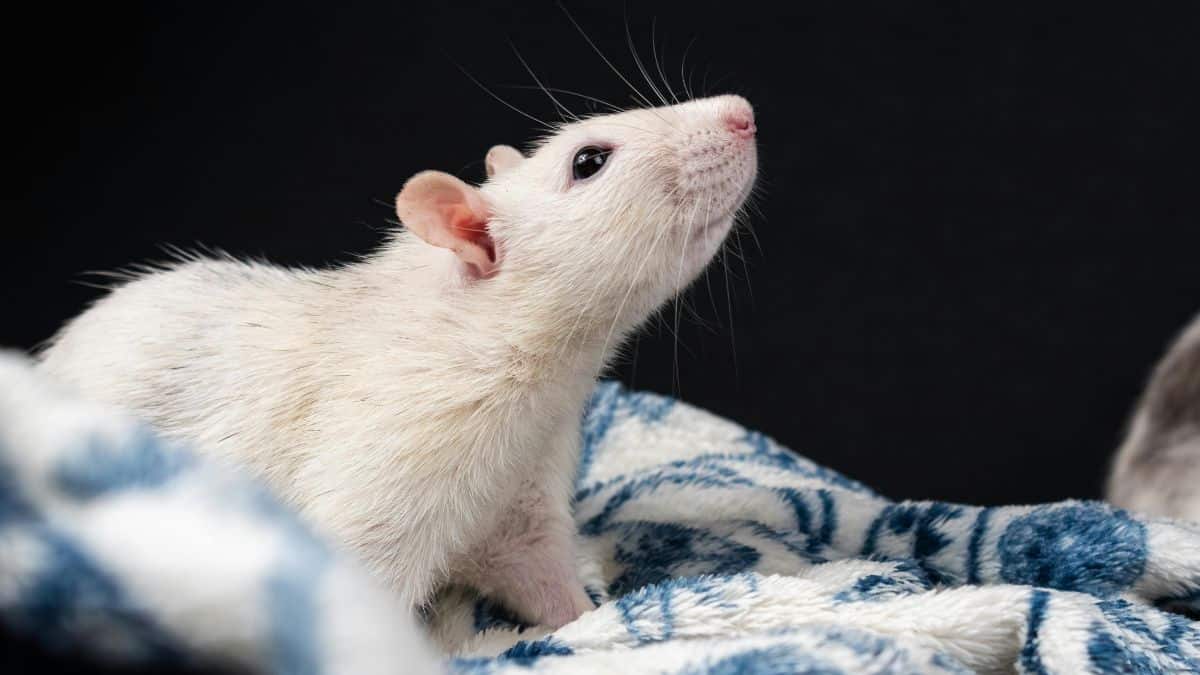
Rats get a bad rap. In fact, if we’re being honest, they’re probably one of the most unfairly maligned pets out there. While most people picture sewer-dwelling scavengers, the truth is domestic rats are the total opposite: clean, intelligent, social, and surprisingly meticulous about hygiene.
If you’re wondering whether pet rats are dirty or unhygienic, let’s bust the myths once and for all. This guide separates fact from fiction and shows why rats just might be the cleanest pet you’ll ever own.
Are Pet Rats Dirty?
Not at all. In fact, pet rats are famously clean animals. They groom themselves frequently—often more than cats do—and they even groom each other as a form of bonding and social etiquette.
When cared for properly, pet rats are odour-free, tidy, and surprisingly fastidious. Any lingering smell you might associate with rats typically comes from dirty cages, not the animals themselves.
What Makes Pet Rats So Clean?

Pet rats have a natural instinct to keep their fur, feet, and tails clean. They’ll wash their faces with their front paws, smooth down their coats, and even organise their cage space if given enough room.
Here’s what sets them apart:

Quick Tip
If your rats start to smell, the issue is almost always the cage, not the rats. Spot cleaning and good airflow are key.
Why Do People Think Rats Are Dirty?
The myth that rats are dirty has been hanging around for centuries — and like most persistent myths, there’s a little truth at the root of it. But it’s time to separate the facts from fiction, especially when it comes to pet rats.
The Origins of the “Dirty Rat” Reputation
Most of the negativity stems from wild rats, particularly urban populations who are forced to live in sewers, alleys, and waste-heavy environments. But wild rats don’t live in filth by choice — they adapt to it out of necessity. Their domestic counterparts, on the other hand, live in clean cages, eat balanced diets, and groom themselves constantly.
What fuels the dirty rat stereotype?
- Media portrayals – Cartoons and films often show rats emerging from bins or lurking in gutters.
- Historical associations with disease – Think the Black Death and the bubonic plague. But spoiler: the real culprits were infected fleas carried by rats — not the rats themselves.
- Urban sightings – Rats are survivors, and their ability to thrive in unhygienic spaces makes them easy scapegoats.
Quick Tip
Judging pet rats by the same standards as wild ones is like comparing a fox to a golden retriever. Related? Yes. The same? Not even close.
The Truth About Pet Rat Hygiene
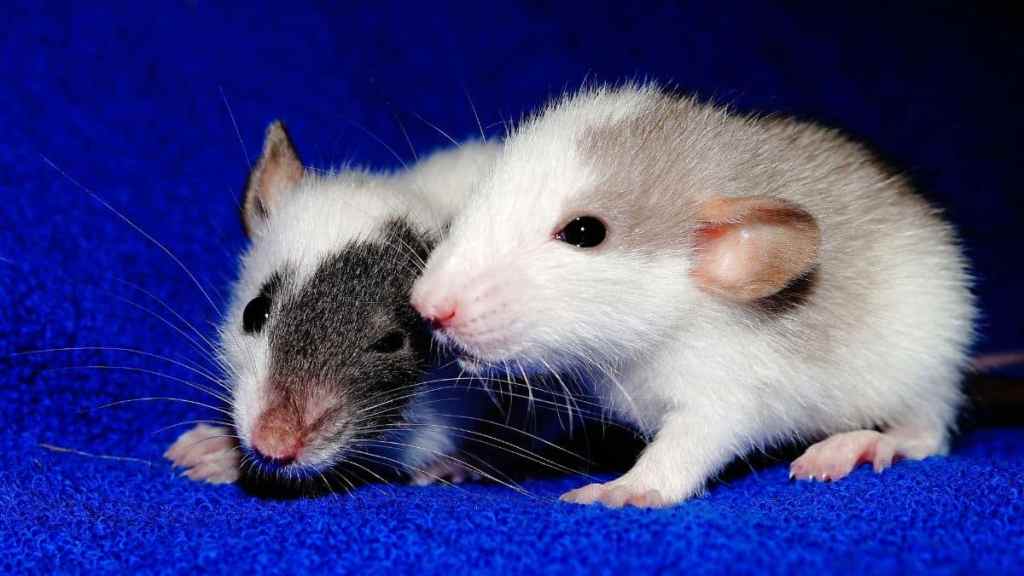
Pet rats are some of the cleanest small animals you can keep. With the right environment and regular cage maintenance, they’re often far cleaner than people expect — and rarely, if ever, “smelly.”
Built-in Grooming Machines
Rats use their front paws like tiny hands to wash their faces, smooth their fur, and even reach their bellies and tails. You’ll often catch them stretching out, licking their paws, and giving themselves a full-body clean. They even groom each other — a behaviour called allogrooming — as a way to strengthen social bonds and show affection.
Cage Clean, Rat Clean
If you notice an unpleasant odour coming from your rat’s setup, chances are it’s a cleaning issue — not a hygiene issue. Rats groom far more frequently than dogs, and their natural scent is mild. A dirty cage, however, can quickly lead to a build-up of ammonia from urine.
A well-maintained rat enclosure should:
- Be spot cleaned daily (especially the litter area)
- Include a full deep-clean once a week
- Have good ventilation to prevent odours from building up
Quick Tip
Don’t over-clean! Removing all scent at once can cause stress for your rats, who rely on familiar smells to feel safe. Always leave a bit of used bedding after a full clean to help them re-establish comfort.
Common Clean Behaviours in Rats
Watching a rat clean itself can be strangely mesmerising — it’s like they’ve got their own personal spa routine. And the best part? They do it constantly. If you’re new to rats, some of their habits might seem unusual, but most are actually signs of a happy, healthy pet.
Grooming Like a Pro
Rats groom themselves multiple times a day — often after eating, waking up, or even handling. You’ll notice them licking their paws and rubbing their faces in slow, rhythmic movements. This isn’t just about staying clean — grooming:
- Helps regulate body temperature
- Keeps their fur soft and tangle-free
- Soothes stress and anxiety
- Maintains important scent markers
They don’t just groom themselves either. In groups, rats groom each other to reinforce social bonds. If you spot your rats cleaning one another’s ears or backs, it’s actually a sweet sign of friendship and hierarchy management, not dominance or fussiness.
Scent Marking (Yes, It’s Normal)
If you notice your rat rubbing its sides against objects or leaving small droplets, that’s scent marking — especially common in males. It’s not dirty or unhygienic; it’s just how they claim their space and feel safe.
Scent marking:
- Helps them navigate their cage using smell
- Provides comfort by reinforcing familiar territory
- Becomes more frequent during times of stress or change
Don’t panic if you see it — just keep the cage clean and consistent, and it’ll usually calm down naturally.
Litter Corner Habits
One of the biggest surprises for new rat owners? Rats often choose one corner of their enclosure as a designated toilet area — and with some encouragement, they can even be litter trained.
This behaviour is:
- A sign of cleanliness and preference for order
- Great for maintaining hygiene
- Helpful for reducing cleaning time
Quick Tip
Use a small plastic tray filled with paper-based litter and place it in the corner they already use. Move a bit of soiled bedding into the tray, and most rats will get the hang of it quickly.
How to Keep Your Rats Clean (and Happy)

Even the tidiest rat needs help maintaining a clean, enriching environment. Rats can only do so much if their surroundings are cramped or poorly maintained — and bad housing is often the root of any “dirty” issues.
Build the Right Environment
Here’s what your rat’s habitat should include for peak hygiene and happiness:
- Spot-clean daily – Remove any droppings, uneaten food, or wet patches from bedding
- Deep clean once a week – Use a pet-safe disinfectant, rinse thoroughly, and dry everything before replacing
- Keep some used bedding – Preserving a small portion of their previous bedding helps reduce stress post-clean
- Use safe bedding – Go for absorbent, dust-free substrates like:
- Paper-based bedding (e.g. Carefresh or Fitch)
- Hemp bedding
- Shredded cardboard
Quick Tip
Avoid pine or cedar shavings — these contain aromatic oils that can damage your rat’s respiratory system.
Provide a Litter Tray
If your rats already use a toilet corner, you’re halfway there. A small litter box (corner-style trays work best) filled with unscented paper pellets will encourage natural toileting behaviour and make cleaning easier.
Add a bit of soiled litter to the tray during training — rats respond well to scent cues and will quickly learn to use it consistently.
Can You Bathe Your Rat?

It’s a common question from new rat owners: “Should I give my rat a bath?” And the answer? Almost always no.
Rats are meticulous self-groomers. They rarely need our help to stay clean — and in fact, bathing them unnecessarily can do more harm than good. Washing a rat too often strips their skin of natural oils, causes unnecessary stress, and can even make them ill if they’re not dried properly afterwards.
However, there are a few exceptions:
- If your rat is elderly or unwell and can’t groom themselves properly
- If they’ve rolled in something sticky, oily, or dangerous
- If your vet has recommended it due to a medical condition
How to bathe a rat safely:
- Use lukewarm water in a shallow bowl or sink
- Avoid pouring water over their head or ears
- Gently use a damp cloth or your hand to help clean
- Dry thoroughly with a soft towel and keep them warm until fully dry
For everyday hygiene, it’s far better to maintain a clean cage than to ever rely on bathing.
Myth-Busting: Rats and Disease
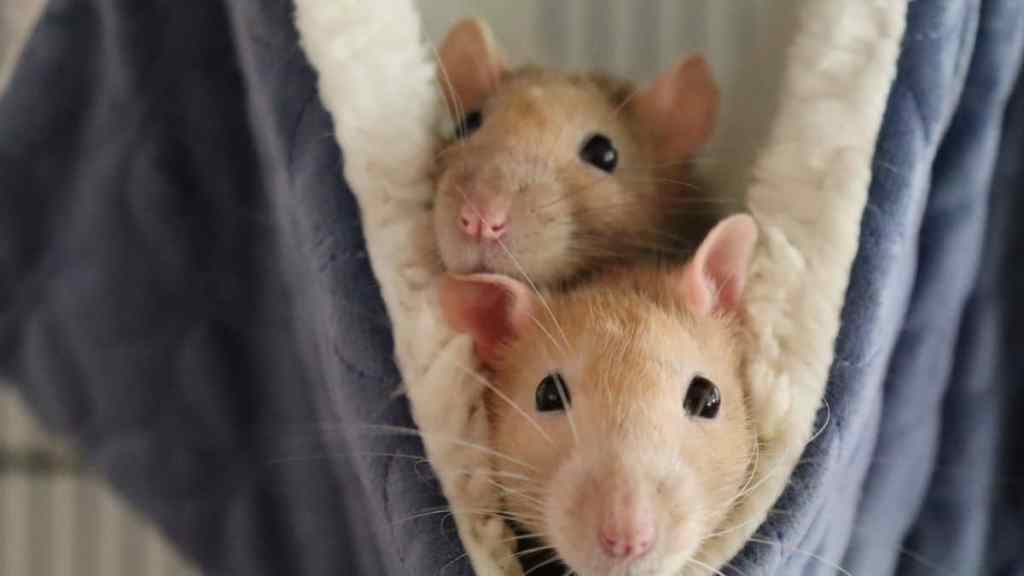
One of the biggest reasons rats have such a bad rep? Their association with illness. But here’s the truth: pet rats from reputable breeders or rescues pose minimal risk — especially when cared for properly.
The image of rats as disease-carrying pests stems from wild populations, who often live in filthy conditions and have limited access to food or care. That’s not your pampered pet rat.
Basic hygiene is key:
- Wash your hands after handling rats or cleaning their cage
- Avoid letting them near food prep areas
- Don’t kiss them or let them lick your face (tempting, we know)
When you keep their environment clean and your interactions hygienic, the health risks are extremely low.
|
Misconception |
The Truth |
|---|---|
|
Rats are filthy |
Pet rats groom frequently and are incredibly tidy |
|
Rats spread disease |
Healthy rats from safe environments pose minimal risk |
|
Rats smell bad |
Odour comes from dirty cages, not the rats themselves |
|
Rats are messy |
Most use toilet corners and can be litter trained |
|
Rats need regular baths |
They groom themselves — bathing is rarely necessary |
Final Thoughts
Rats don’t deserve their dirty reputation — not even close. These clever, affectionate little animals are among the cleanest pets you can own, provided they’re given a suitable home and regular care. Their grooming routines rival cats, they choose toilet corners, and they love to keep their surroundings just the way they like them.
With the right setup, a bit of routine, and a good understanding of their natural instincts, your pet rats can live happy, healthy, and odour-free lives. So, the next time someone raises an eyebrow at the idea of a rat as a pet, you’ll have the facts — and a squeaky-clean argument — to set them straight.