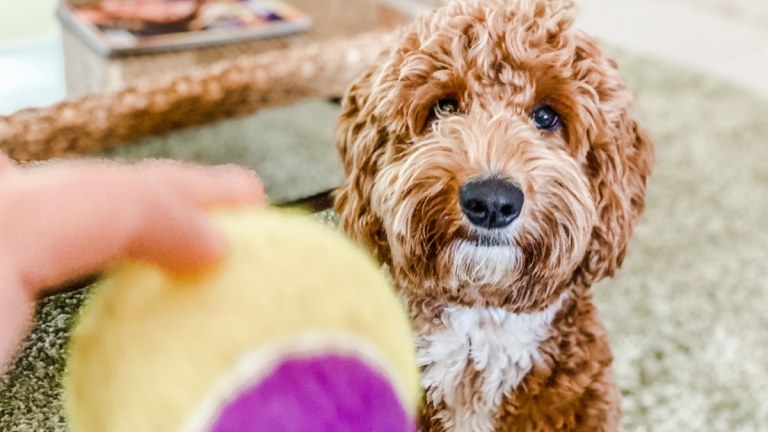
If you own a dog, you already know the drill: just when you think you’ve seen it all, your furry mate invents a new way to keep you guessing. Why does he spin before lying down? What’s with the grass eating, the howling at ambulances, or the obsession with your socks? Don’t worry, you’re not alone. Every dog comes with a whole bag of quirks, and even lifelong owners are often left scratching their heads.
That’s why we’ve put together the ultimate guide to 75 weird dog behaviours and what they really mean. Whether your pup is zooming laps around the living room, sleeping upside down, or barking at the TV remote, we’ve got answers (and a few laughs) to help you decode your best friend.
From the hilarious to the downright bizarre, here’s what’s actually going on inside your dog’s head. We’ve pulled together insights from science, vets, and good old experience to help you get to the bottom of those canine mysteries, once and for all.
Everyday Oddities
Dogs are full of quirks that leave even experienced owners puzzled. From classic dog behaviours like spinning in circles before bed to the famous “zoomies” around the living room, these odd habits are part of what makes life with a dog so entertaining. In this section, we’ll explain the everyday dog behaviours most people notice, why they happen, and when you should (or shouldn’t) worry. If you’ve ever wondered why your dog acts a certain way, you’re definitely not alone. These are the everyday mysteries all dog owners face.
1. Spinning in circles before lying down
You watch your dog turn round and round before flopping onto their bed.
Why they do it:
This is a leftover instinct from wild dogs, who used to pat down grass or leaves to make a comfy, safe sleeping spot. For most dogs, it’s just habit.
2. Eating grass
Your dog nibbles on the lawn like a cow.
Why they do it:
Usually harmless, grass eating might help with digestion, or your dog just likes the taste. Some dogs do it out of boredom. If it’s constant or makes them sick, chat with your vet.
3. The ‘zoomies’ (sudden mad runs)
Your dog tears around the house or garden at top speed, totally unprovoked.
Why they do it:
This is a “frenetic random activity period” (FRAP). It’s just a big burst of energy, often after baths, play, or being left alone. It’s completely normal and usually a sign your dog is happy.

4. Sniffing other dogs’ bottoms
That awkward bum-to-bum greeting at the park.
Why they do it:
Dogs have scent glands near their bottoms, and sniffing is how they swap info about identity, mood, and even health. It’s perfectly normal, even if it makes you cringe.
5. Chasing their tail
Puppies (and sometimes adults) go wild spinning in circles after their own tails.
Why they do it:
For pups, it’s play and self-discovery. Older dogs may do it out of boredom, habit, or for attention. If it’s constant or obsessive, it can be a sign of stress or even a medical issue.
6. Tilting their head when you talk
That adorable head cock when you say a word they like.
Why they do it:
Dogs tilt their heads to better hear and process sounds, and maybe to see your face more clearly. Some researchers think it helps them focus on certain words or emotions.
7. Sleeping on their back with legs in the air
Flat on their back, paws sky-high, looking blissed out.
Why they do it:
This is the ultimate “I feel safe” position. It lets them cool off and stretch out, and shows they trust their environment. It’s more common in relaxed, confident dogs.
8. Barking at the TV or doorbell
The post comes, the doorbell rings, or a dog appears on screen and your dog goes ballistic.
Why they do it:
Dogs react to unexpected noises and moving images. They’re trying to alert you or ‘join in’ with the action. It’s totally normal, though you can train them to tone it down.

9. Rolling in something disgusting
You just washed your dog, and now they’re rolling in fox poo, seaweed, or worse.
Why they do it:
Nobody’s 100% sure, but it’s likely a throwback to wild ancestors who masked their scent for hunting. Some say it’s just fun for them, even if it’s revolting for us.
10. Sleeping in weird places (like the bathroom or on your laundry)
Your dog skips their plush bed and settles on your dirty clothes or a bathroom mat.
Why they do it:
They’re drawn to your scent for comfort and security. Cool tiles can also help them chill out in summer. It’s nothing to worry about, unless they’re avoiding their own bed because they’re sore or unwell.
Noisy Habits
From barking at the postie to howling along with sirens, dogs are masters of making themselves heard. Many of these strange sounds can leave owners confused or even worried. In this section, we’ll break down the most common noisy dog behaviours, what they really mean, and when you should take notice. Whether your dog barks at nothing, whines in their sleep, or sings to the radio, you’ll find answers here.
11. Barking at nothing
Your dog suddenly starts barking at an empty room, corner, or wall.
Why they do it:
Dogs hear and smell things humans can’t. Tiny noises, outside movement, or even critters in the walls. Sometimes it’s boredom, attention-seeking, or pure habit. Usually, it’s harmless.
12. Howling at sirens or music
Your dog howls along when an ambulance passes, or when you play certain songs.
Why they do it:
Dogs are wired to communicate with howls, and certain high-pitched noises trigger their instinct to “join in.” It’s a natural, pack-driven behaviour and rarely a cause for concern.
13. Whining or whimpering for no clear reason
Your dog whines when you’re home, when you leave, or seemingly for nothing.
Why they do it:
Whining is a way dogs express needs—attention, excitement, anxiety, or discomfort. If it’s new or constant, check for pain or stress.
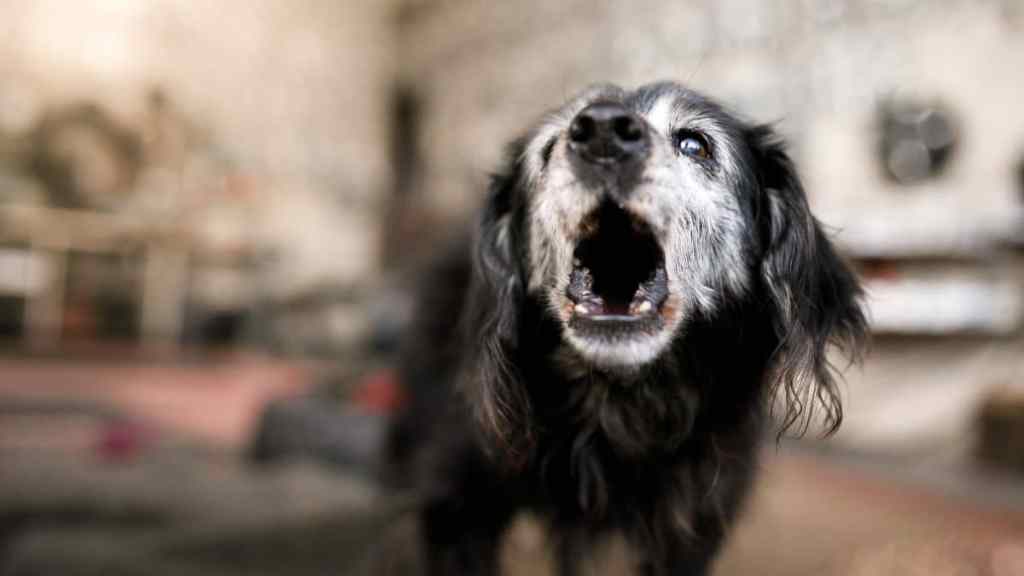
14. Barking at the doorbell or knock
Every delivery or visitor sets off an explosion of barking.
Why they do it:
Dogs see themselves as home protectors. The doorbell signals a potential “intruder.” You can train them to be calmer, but the instinct to alert is strong.
15. Grumbling or “talking back”
Your dog makes low rumbles, groans, or “woo-woo” sounds at you.
Why they do it:
Many dogs “talk” to communicate excitement, frustration, or even affection. Some breeds (like Huskies) are extra vocal and love to “chat.”
16. Snoring loudly
Your dog snores like a human, sometimes shaking the bed.
Why they do it:
Snoring is common, especially in flat-faced breeds (like French Bulldogs or Pugs). It’s usually harmless, but sudden changes in snoring or breathing can signal a health issue.
17. Sleep barking or whimpering
Your dog barks, yips, or even growls in their sleep.
Why they do it:
Dogs dream just like people. Those noises are usually reactions to dream adventures—chasing, playing, or even arguing. It’s normal, but intense twitching or distress could mean a bad dream.
18. Growling while playing
Your dog growls during tug of war or rough play.
Why they do it:
Play growling is usually a sign of excitement, not aggression. Watch body language—relaxed posture and wagging tails mean they’re having fun.
19. High-pitched yapping
Your dog lets out sharp, shrill yaps—often little dogs are the culprits.
Why they do it:
Small breeds are especially prone to “alert barking.” It’s their way of sounding the alarm or demanding attention. Training and mental stimulation can help reduce it.
20. Sighing or huffing
Your dog lets out a big, dramatic sigh or a short huff.
Why they do it:
Sighing usually signals contentment and relaxation, like your dog is winding down. Huffing might mean mild annoyance or “I’m done with this.”
Eating the Weird Stuff
Dogs are notorious for putting just about anything in their mouths, leaving owners baffled or worried. From eating socks and sticks to snacking on grass or even poo, these odd behaviours are common questions for vets. In this section, we explain the most common strange things dogs eat, why they do it, and when you need to step in. If you’ve ever typed “why does my dog eat…” into Google, you’re in the right place.

21. Eating socks, underwear, or other clothing
You catch your dog stealing and chewing on laundry.
Why they do it:
It’s often a comfort thing. Your clothes smell like you, and chewing is soothing. Puppies do it for teething. Sometimes it’s boredom or attention-seeking, but it can be risky if swallowed.
22. Eating poo (coprophagia)
Your dog eats their own poo or another animal’s droppings.
Why they do it:
This is more common than most owners want to admit. Puppies often copy their mum, while adults might do it out of boredom, stress, or to “clean up.” Rarely, it’s a sign of missing nutrients. Ask your vet if it’s a regular habit.
23. Eating stones, gravel, or dirt
Your dog snacks on pebbles, soil, or compost.
Why they do it:
Some dogs like the texture, others are seeking minerals. It can also be a boredom behaviour. Eating non-food items is called “pica” and can be dangerous. See your vet if it’s frequent.
24. Eating grass (again)
This is so common, it deserves a second mention!
Why they do it:
Some dogs use grass to settle their stomach or help with digestion. Others just enjoy the taste. If it leads to vomiting, or your dog eats lots of unknown plants, check with your vet.
25. Chewing on sticks, wood, or bark
Your dog picks up every stick on a walk or destroys wooden furniture.
Why they do it:
Sticks are fun, and chewing helps with boredom or teething. The risk is choking or injury, so offer safe chew toys instead.
26. Eating cat litter or cat poo
Dogs raid the litter tray for a grim snack.
Why they do it:
Dogs are attracted to the protein in cat poo or food remains. It’s gross, but fairly common. Block access and keep the litter tray clean.
27. Scavenging food from bins
Your dog raids the rubbish, even with food in their bowl.
Why they do it:
Dogs are natural scavengers. Food in bins smells stronger and seems like a “jackpot.” Make bins dog-proof and watch for toxic scraps.
28. Licking or chewing carpets and furniture
You notice wet patches or chewed corners on rugs or sofas.
Why they do it:
Boredom, anxiety, or even a lack of certain nutrients can trigger this. Sometimes it’s just for the flavour (food spills!). Persistent chewing needs some extra training or a vet check.
29. Eating insects or bugs
Your dog snaps up flies, spiders, or moths.
Why they do it:
Chasing and eating bugs is just play and prey drive. Most insects aren’t harmful, but avoid bees, wasps, or poisonous bugs.
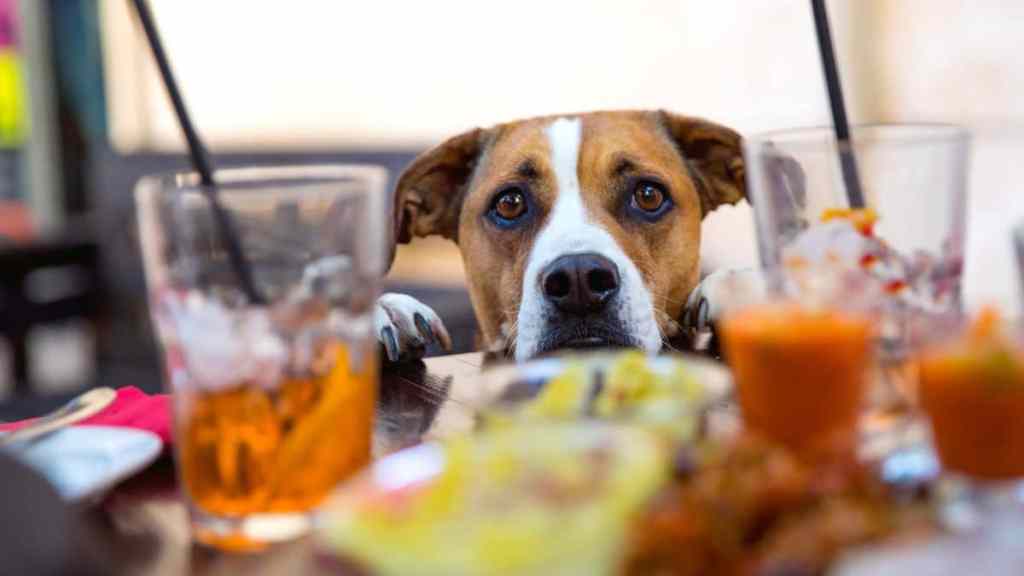
30. Eating human food off tables or counters (counter surfing)
You turn your back and the Sunday roast vanishes.
Why they do it:
Dogs are opportunists. If they’ve scored once, they’ll try again. Keep food out of reach and never reward “sneaky” behaviour.
Sleeping Quirks
Dog sleeping habits are as weird as they are adorable. From twitching paws and dream-barking to choosing the oddest places to nap, dogs keep us guessing with their bedtime routines. In this section, we explain the most common strange dog sleeping behaviours, what they mean, and when you should be concerned. If you’ve ever Googled “why does my dog sleep like that,” read on.
31. Twitching, running, or barking in sleep
Your dog’s legs move or they bark softly while asleep.
Why they do it:
Dogs, like people, dream during deep sleep. Those twitches and noises are likely dream reactions and are totally normal unless your dog seems distressed.
32. Sleeping upside down or on their back
Legs in the air, belly exposed, looking totally relaxed.
Why they do it:
This is a sign your dog feels completely safe and wants to cool off. Dogs only do this when they trust their surroundings.

33. Curling up tightly in a ball
Your dog tucks nose to tail when napping.
Why they do it:
This helps them conserve heat and feel secure—classic wild dog behaviour. Some dogs just prefer the feeling of being snug.
34. Sleeping pressed against you (or on your pillow)
You wake up pinned to the mattress by a furry lump.
Why they do it:
Your scent and warmth are comforting. Dogs are pack animals and love close contact with their favourite people.
35. “Guarding” the bedroom door while you sleep
Your dog parks themselves by the door at night.
Why they do it:
Instinct tells them to protect their pack. Some dogs feel responsible for keeping an eye out while you rest.
36. Taking over your bed (or refusing to use their own)
Your dog snubs their own bed and sprawls on yours.
Why they do it:
Your bed smells like you, is comfier, and makes them feel secure. If you mind, train your dog to love their own spot.
37. Sleeping with one eye open (literally)
You notice your dog’s eye half open during sleep.
Why they do it:
Dogs can enter light sleep while still being partly alert. It’s an instinct from their wild ancestors to spot danger quickly.
38. Frequent sleep changes or restlessness at night
Your dog can’t seem to get comfy and moves all night.
Why they do it:
Ageing, pain, anxiety, or too much energy late in the day can cause restlessness. If it’s new or severe, check with your vet.

39. Snuggling under blankets
Your dog burrows into duvets or hides under covers.
Why they do it:
Many breeds love the warmth and security of being “denned.” It’s a natural comfort thing and totally safe, as long as they can breathe easily.
40. Sleeping in the same spot every time
Your dog claims the same corner, chair, or rug for every nap.
Why they do it:
Dogs love routine. Familiar spots smell like them (and you), which is reassuring and calming.
Social & Greeting Behaviours
Dog greetings and social rituals can be charming, embarrassing, or downright confusing. From licking faces to jumping up at guests, dogs have their own ways of saying hello and making friends. In this section, we cover the most common (and awkward) social behaviours, why dogs do them, and how to manage them if needed. If you’ve ever wondered “why does my dog greet people like that?”—here’s your answer.
41. Jumping up on people
Your dog leaps on visitors or family as soon as they walk in.
Why they do it:
Jumping is an excited greeting and a way to reach your face. Dogs learn quickly that jumping gets attention, even if it’s negative. Training can help stop it.

42. Licking faces (or hands, or feet)
Slobbery kisses at every opportunity.
Why they do it:
Licking is an instinctive greeting, sign of affection, and a way to gather information about you. Some dogs also lick when they’re anxious or seeking attention.
43. Pawing at you
Your dog puts a paw on your leg, lap, or arm.
Why they do it:
This is a gentle request for attention, treats, or petting. Some dogs are just “pawsy” by nature.
44. Leaning against you
Your dog presses their weight into your side or legs.
Why they do it:
Leaning is a sign of trust and bonding. Some breeds (like Greyhounds and Great Danes) do it more than others.
45. Wagging tail in a big circle (“helicopter tail”)
Your dog’s tail spins like a propeller when they’re excited.
Why they do it:
A helicopter tail is a sign of maximum happiness and enthusiasm. It usually means your dog is thrilled to see you.
46. Bringing you toys or “gifts”
Your dog presents you with a toy, sock, or random object.
Why they do it:
It’s a greeting, a sign of affection, or an invitation to play. Some dogs also “gift” objects to show off their prized possessions.
47. Sniffing crotches or armpits
The world’s most awkward hello.
Why they do it:
These areas are rich in scent, giving dogs lots of info about a person. It’s embarrassing, but totally normal dog behaviour.
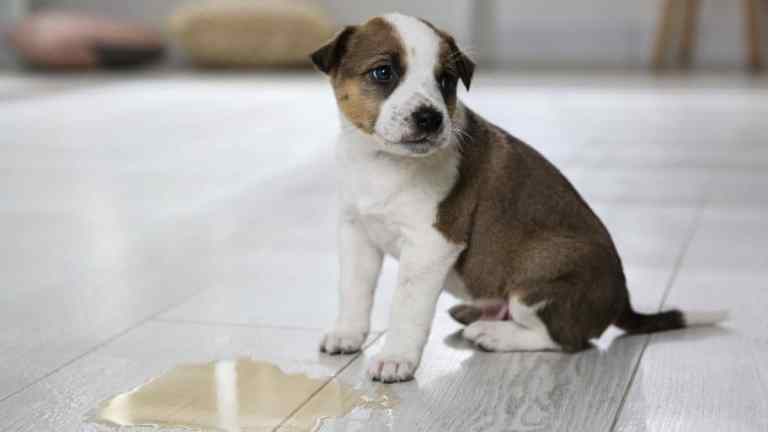
48. Submissive peeing when meeting new people
Your dog leaks urine when excited or greeting someone.
Why they do it:
This is common in puppies or shy dogs as a submissive gesture. Most grow out of it, but calm greetings and positive reinforcement can help.

49. “Grinning” or baring teeth when happy
Your dog shows their teeth but looks relaxed and wiggly.
Why they do it:
Some dogs “smile” as a submissive or friendly gesture. Look for relaxed body language—if the tail is wagging and ears are soft, it’s a happy grin, not a threat.
50. Mouthing or gentle nibbling during play
Your dog puts your hand or arm in their mouth but doesn’t bite.
Why they do it:
Mouthing is a normal way dogs explore and play, especially with people they trust. If it gets rough, redirect to a toy.
Strange Grooming & Body Language
Some of the weirdest dog behaviours are all about self-care and non-verbal communication. From obsessive licking to bizarre body signals, these habits can be confusing or even worrying for owners. In this section, we explain the most unusual grooming quirks and body language, what they mean, and when to take notice. If you’ve ever asked, “why does my dog keep doing that with their body?”, you’re not alone.
51. Obsessive licking (themselves or you)
Your dog can’t stop licking their paws, flanks, or your hands.
Why they do it:
Occasional licking is normal, but obsessive licking can signal allergies, anxiety, pain, or boredom. Check with your vet if it becomes constant.
52. Air snapping (snapping at nothing)
Your dog snaps at the air, as if catching invisible flies.
Why they do it:
Sometimes it’s playful, but it can also be a sign of frustration or even a neurological issue if it happens often.
53. Fake sneezing or sneezing for attention
Your dog lets out exaggerated sneezes while playing or when you’re watching.
Why they do it:
Dogs quickly learn that sneezing gets your attention. It’s usually harmless and can mean excitement, especially during play.
54. Butt dragging (scooting)
Your dog slides their bottom across the floor.
Why they do it:
Most commonly, this means full or irritated anal glands. Worms or allergies can also be culprits. If it’s frequent, see your vet.
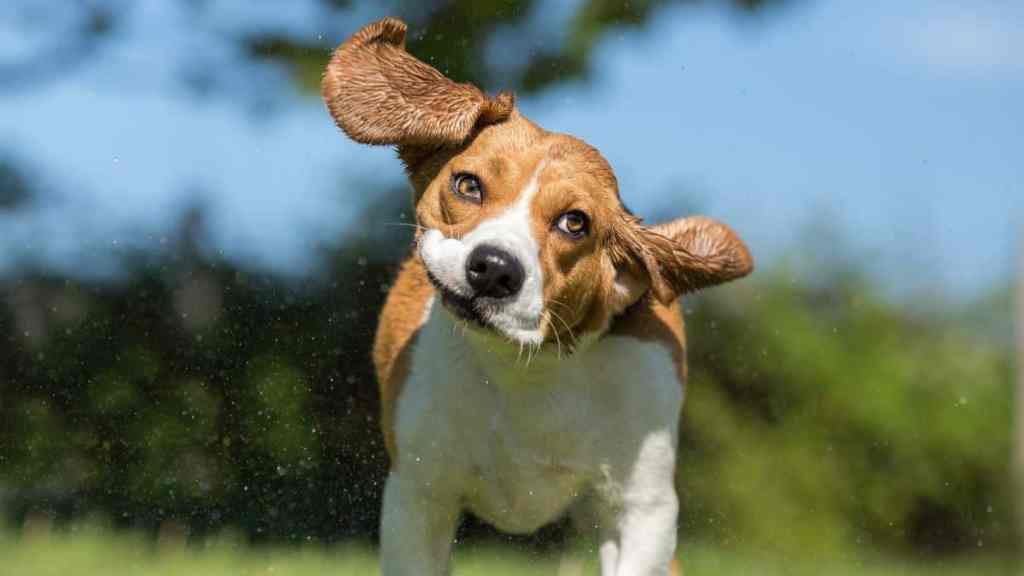
55. Shaking off when not wet
Your dog stands up and does a full-body shake, even when dry.
Why they do it:
Dogs shake off to release tension or reset after excitement or stress. It’s their way of “starting fresh.”
56. “Frog legs” (lying flat with back legs stretched out behind)
Your dog splays out like a frog on the floor.
Why they do it:
Many dogs, especially puppies, do this to stretch and cool off. It’s normal for most, but if your dog seems stiff or sore, check with your vet.
57. Raising one paw while standing
Your dog freezes with one front paw lifted.
Why they do it:
This is a classic “pointer” pose—dogs do it when curious, focused, or about to stalk something. It can also be a signal of uncertainty.
58. Staring intensely at you or another pet
Your dog gives a hard, unblinking stare.
Why they do it:
Staring can mean anything from love to a request for attention, or even a mild challenge. Context matters—soft eyes are friendly, hard stares can mean stress.

59. Yawning when not tired
Your dog yawns at odd moments, not just before sleep.
Why they do it:
Yawning can be a calming signal in dog language, showing stress, excitement, or an attempt to diffuse tension.
60. Spinning or chasing tail obsessively
Your dog can’t stop spinning or going after their tail.
Why they do it:
Puppies do it for fun, but obsessive tail chasing in adults can signal boredom, anxiety, or even a medical issue if it’s extreme.
Zoomies & Hyper Moments
Dogs are famous for their sudden bursts of energy and unpredictable playful streaks. These “hyper” behaviours can be funny, chaotic, or even a bit concerning for owners who aren’t sure what’s normal. In this section, we break down the most common zoomies, wild play habits, and odd moments of excitement. If you’ve ever wondered “why does my dog go mad for no reason?”, you’ll find answers here.
61. Sudden zoomies after a bath
Your dog sprints around like a maniac right after being towel-dried.
Why they do it:
Bath-time zoomies are a classic release of pent-up energy and stress. Water, rubbing, and towel drying can be over-stimulating, so dogs shake it off with a sprint.
62. Digging frantically at carpets or furniture
Your dog “digs” inside the house, even without dirt.
Why they do it:
Digging is natural instinct, often linked to boredom, nesting, or simply fun. Some dogs do it to find a comfy spot or burn off excess energy.
63. Spinning in circles before play
Your dog does laps or tight spins before grabbing a toy or chasing you.
Why they do it:
Spinning builds excitement and helps your dog get pumped up for fun. It’s a sign of anticipation and high spirits.
64. Leaping onto furniture out of nowhere
Your dog jumps on the sofa or bed in a single bound, seemingly for no reason.
Why they do it:
It’s usually a way to release energy, claim a vantage point, or invite play. If it’s sudden and out of character, check for underlying anxiety.
65. Barking or “talking” during play sessions
Your dog gets extra vocal during tug of war or fetch.
Why they do it:
Vocalising during play is a sign of excitement and enthusiasm. Some breeds naturally “talk” more during fun.
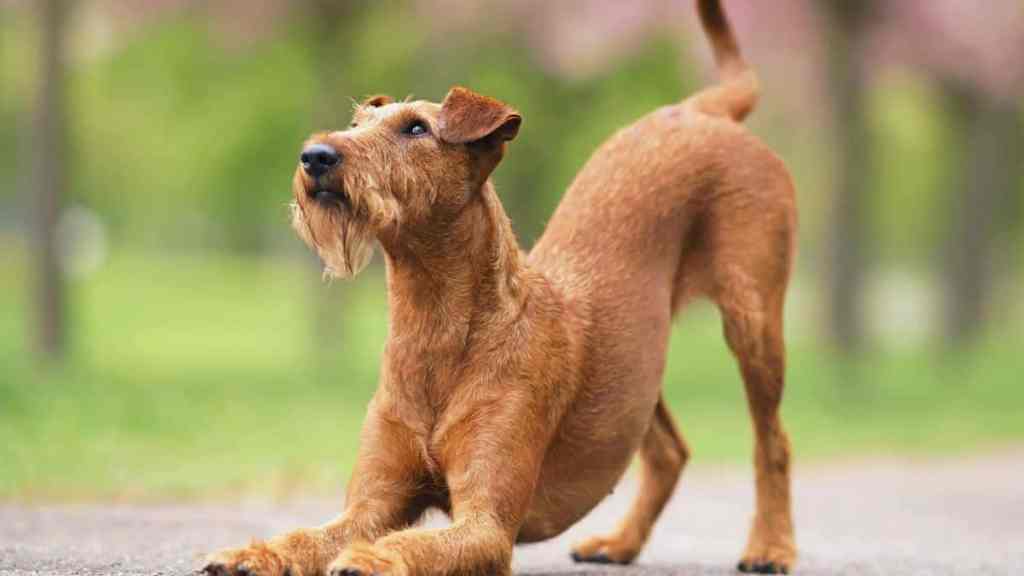
66. Play bowing (front legs down, bum in the air)
Your dog does a deep stretch with their chest low and tail wagging.
Why they do it:
This is a universal invitation to play—dog language for “let’s have fun!” You’ll see it before games, zoomies, or with other dogs.
67. Running in huge circles outside (the “race track”)
Your dog sprints loops around the garden or park.
Why they do it:
Large circular zoomies are pure joy and exercise. It’s a safe way for dogs to burn energy and show off.
68. Grabbing random objects and dashing off
Your dog steals a shoe or cushion and runs laps around the house.
Why they do it:
It’s a playful chase game—your reaction is half the fun! Encourage them to swap for a toy instead of chasing them down.
69. “Scooting” across the lawn after a walk
Your dog finishes a walk and then drags their bum or does zoomies.
Why they do it:
Post-walk excitement is common—sometimes it’s just happiness, sometimes it’s relief after “going.” Frequent scooting could be a sign of anal gland issues.
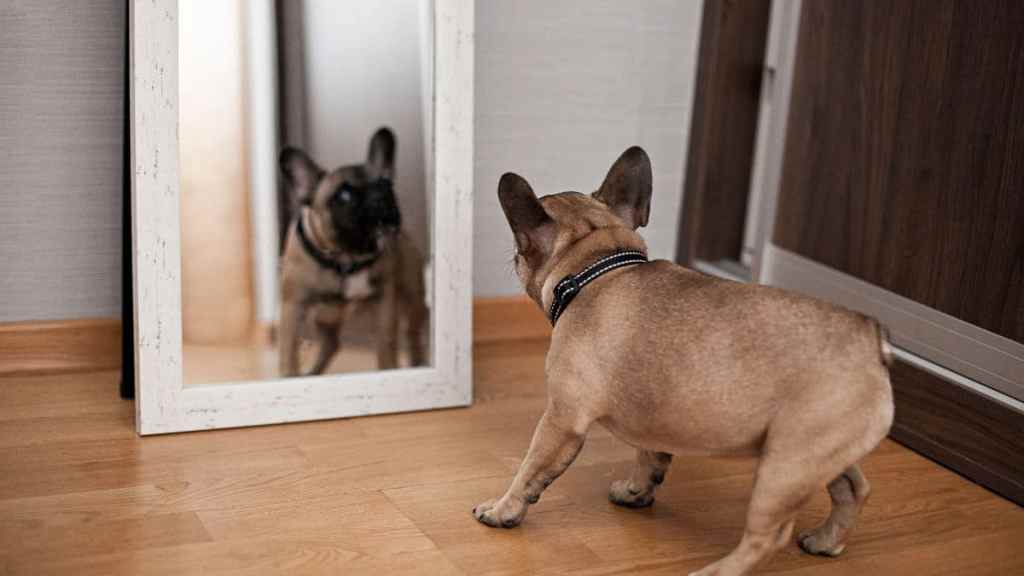
70. Sudden barking or growling at their own reflection
Your dog spots themselves in a mirror or window and “goes off.”
Why they do it:
Dogs don’t always recognise their reflection and may see it as another dog invading their space. With time, most learn to ignore it.
The Really Bizarre
71. Chasing shadows or lights
Your dog becomes obsessed with moving shadows, torch beams, or reflections.
Why they do it:
This is usually play or prey drive, but if it becomes obsessive, it can be a sign of boredom or even compulsive behaviour. Redirect with games and mental stimulation.
72. Fly snapping or biting at invisible things
Your dog snaps at the air as if catching invisible flies.
Why they do it:
Occasional fly snapping is normal, but frequent episodes can sometimes be linked to neurological issues or partial seizures. If you notice it often, consult your vet.
73. Eating rocks or metal objects
Your dog swallows stones, coins, or other non-food items.
Why they do it:
This is a form of “pica.” It can be caused by boredom, anxiety, or a health issue. Swallowing non-food items can be dangerous and needs a vet check.
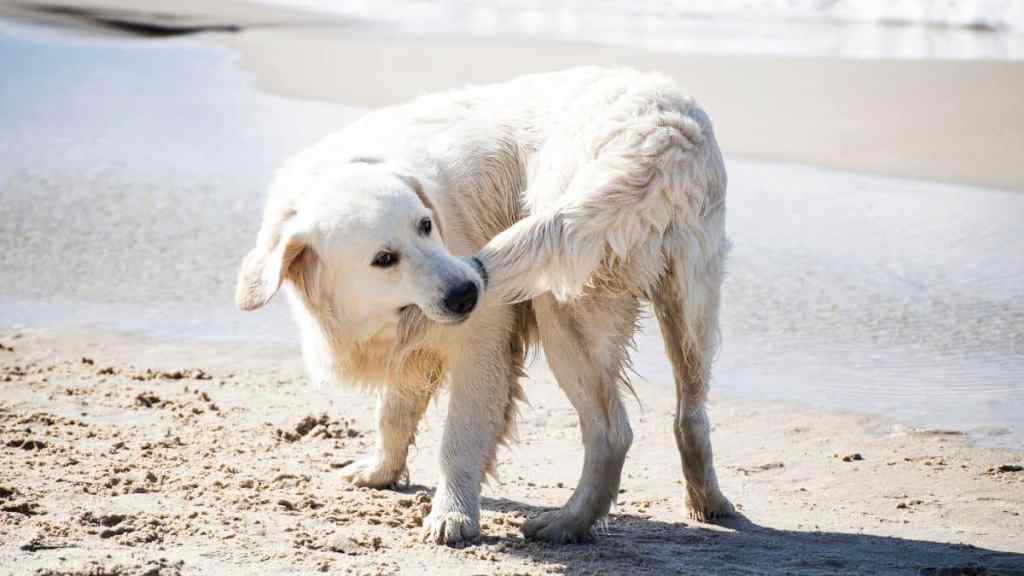
74. Spinning or running in tight circles for minutes at a time
Not just a pre-bedtime spin, but long, intense circling.
Why they do it:
This can signal anxiety, neurological issues, or obsessive-compulsive disorder. If it’s frequent or your dog seems distressed, see a vet for advice.
75. Staring at the wall for no reason
Your dog zones out, staring at a wall or into space.
Why they do it:
Sometimes it’s just daydreaming, but repeated wall-staring can be a sign of cognitive dysfunction, vision problems, or even a mild seizure. It’s worth mentioning to your vet if it happens a lot.
Final Thoughts
Every dog is a one-off, and these weird habits are all part of what makes them such brilliant companions. Most strange dog behaviours are perfectly normal and nothing to worry about, but if you ever spot sudden changes or signs of distress, it’s always worth a chat with your vet.
If your dog does something truly bizarre that we haven’t covered here, let us know in the comments or drop us an email. Your story could help another owner crack the case of their own canine mystery!